Unnatural Instinct
Play Unnatural Instinct
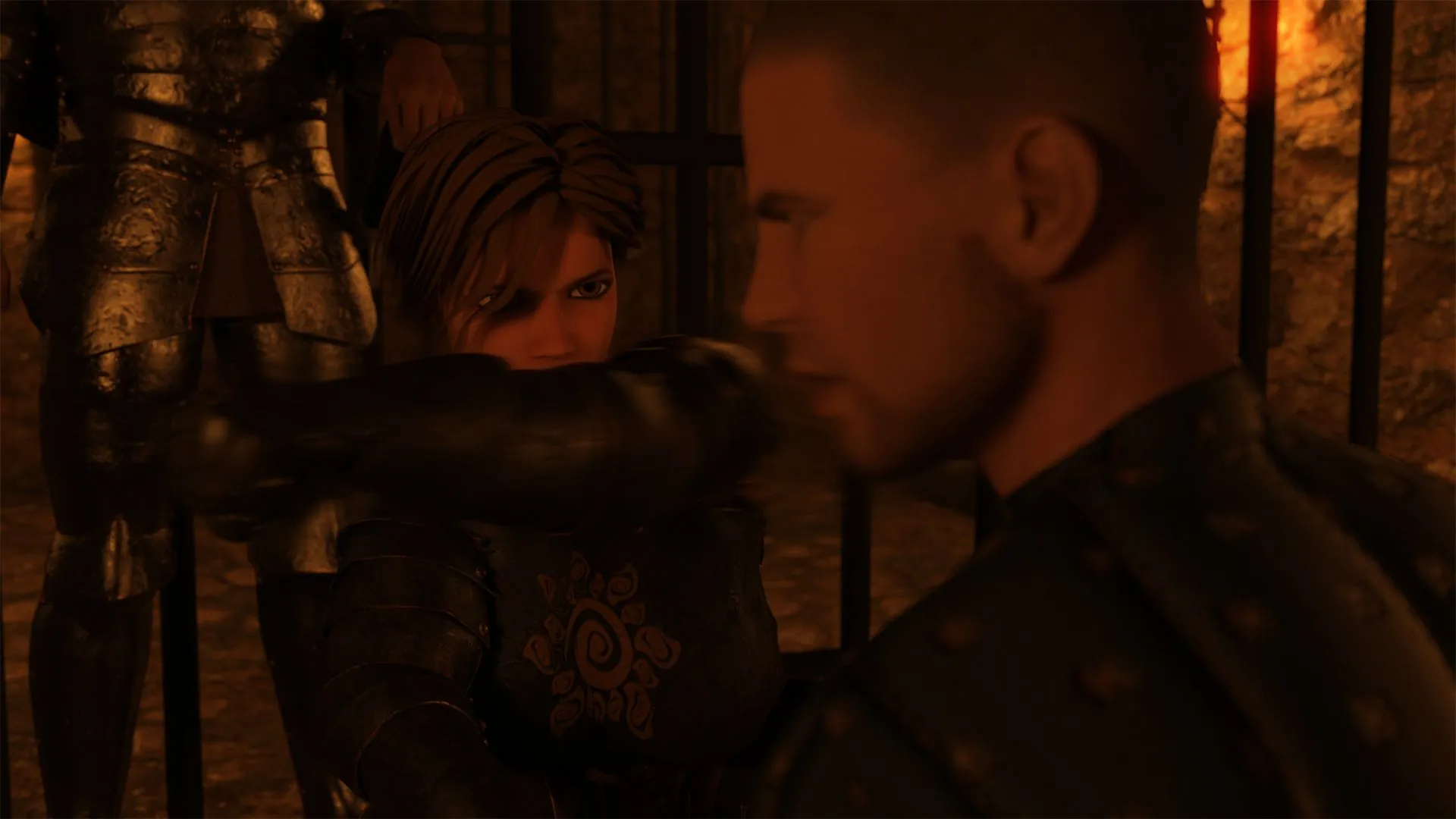
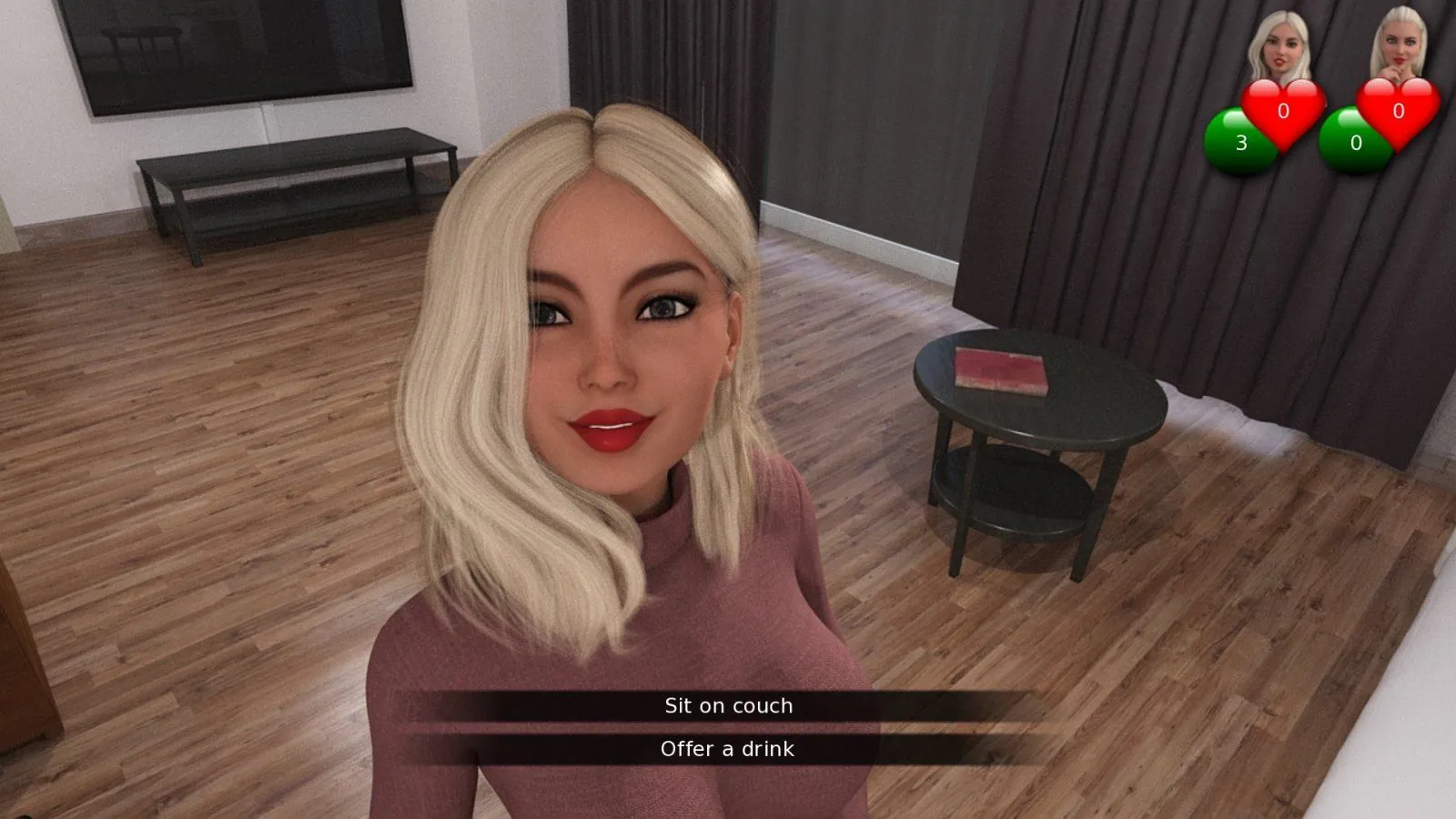
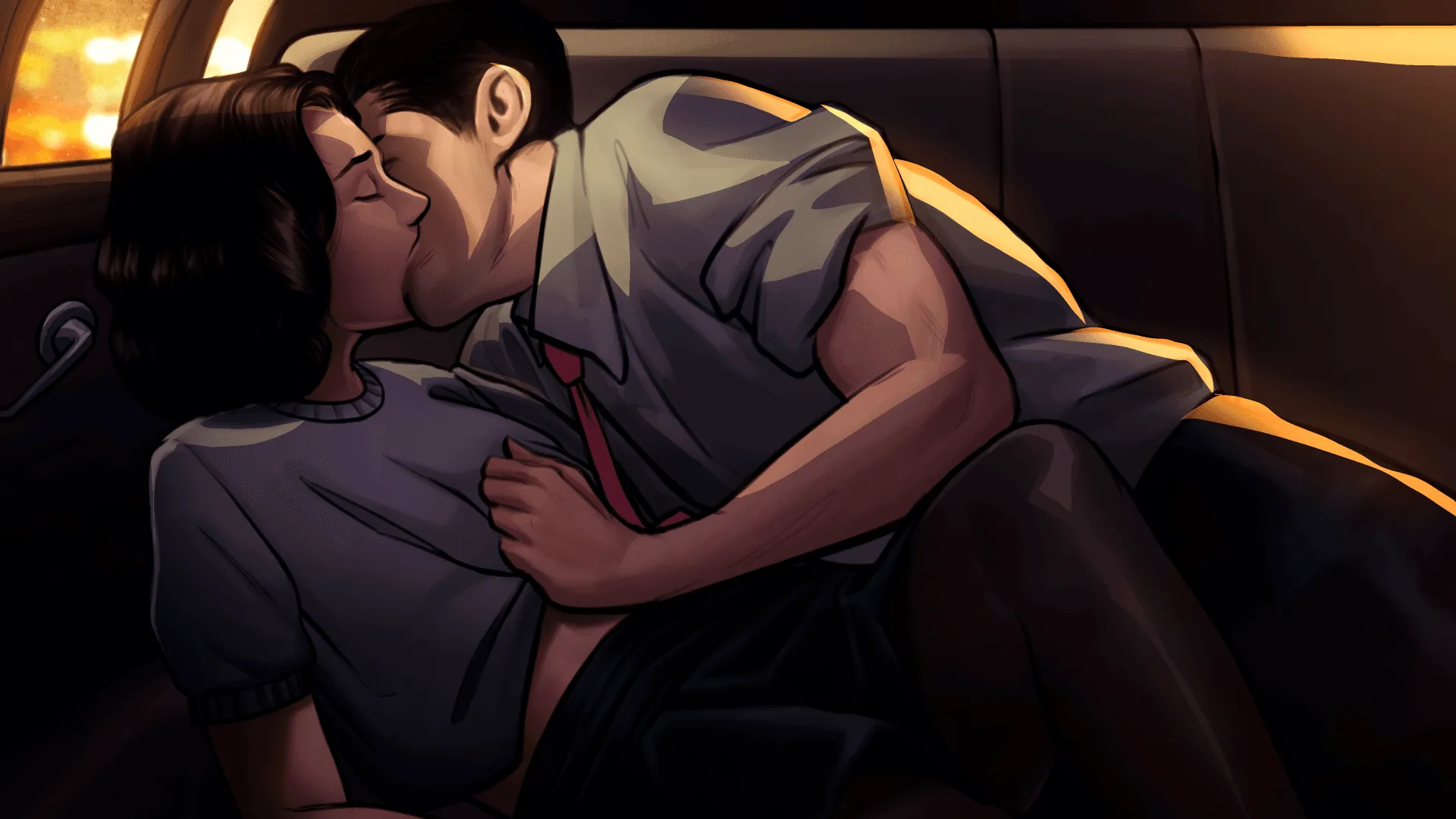
Unnatural Instinct Screenshots


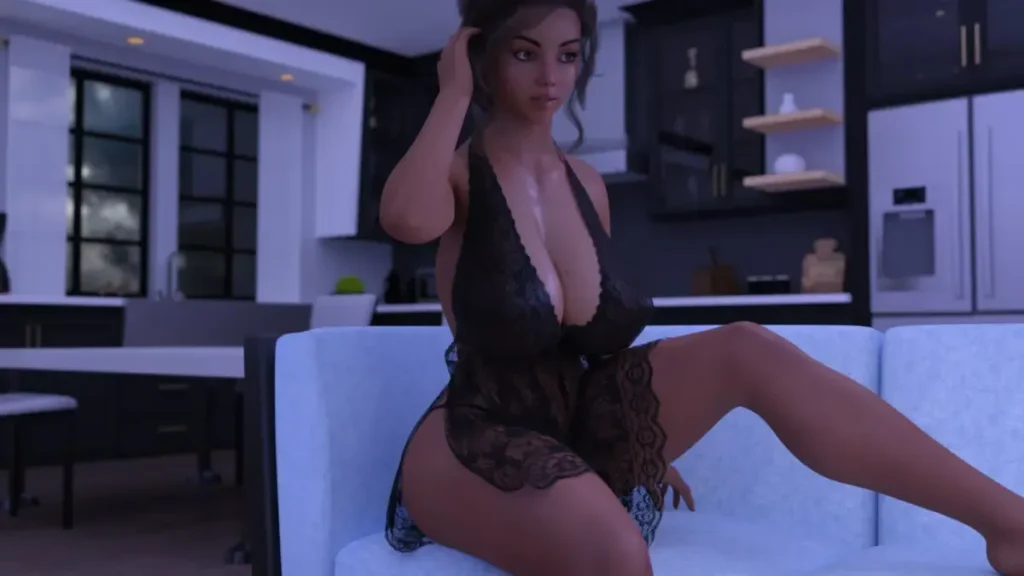
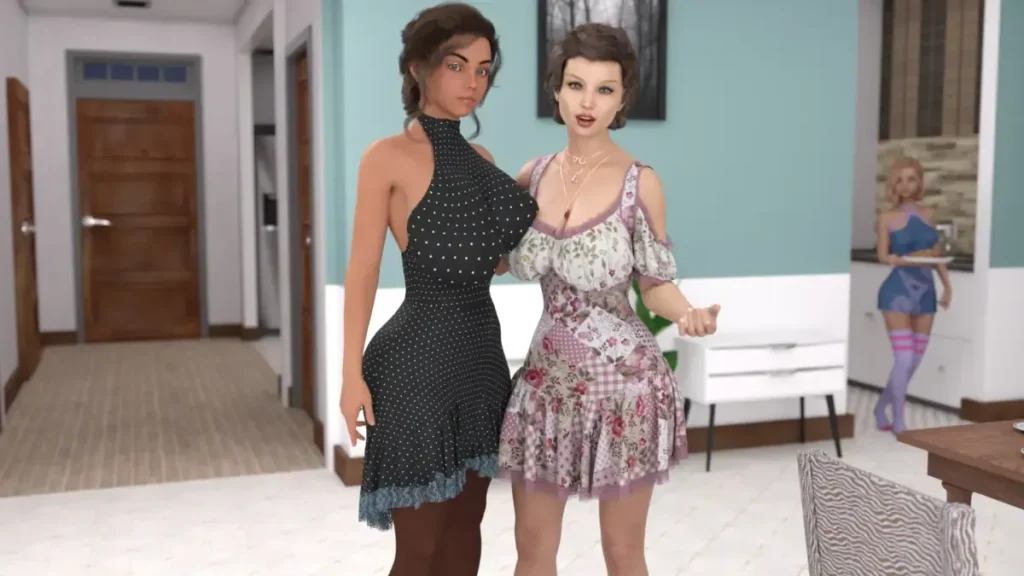

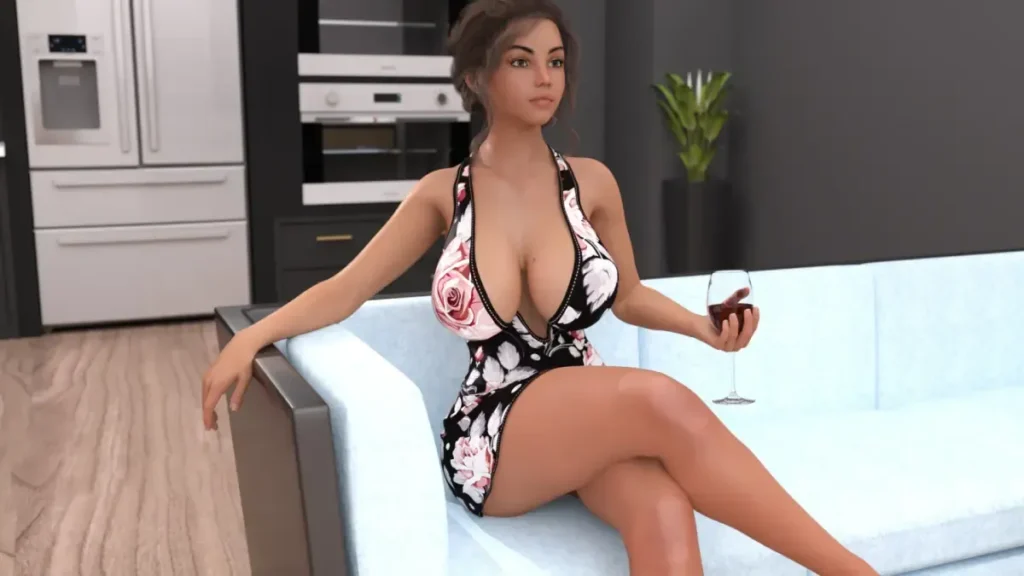
Unnatural Instinct review
Exploring how interactive fiction uses storytelling mechanics to challenge player agency and identity
Unnatural Instinct stands out in the interactive fiction landscape as a bold exploration of psychological themes through unconventional mechanics and immersive storytelling. This game transcends traditional narrative experiences by making players active participants in their own psychological journey. Rather than passively observing a story unfold, you become complicit in the unfolding events, questioning your motivations and identity throughout the experience. The game’s masterful use of setting, puzzle design, and character dynamics creates an unsettling atmosphere that lingers long after completion. Whether you’re drawn to experimental narrative design or psychological depth, Unnatural Instinct offers a unique perspective on how games can explore complex themes of power, consent, and selfhood.
The Narrative Architecture: Setting, Story, and Psychological Immersion
You step into the forgotten halls of the ancestral home in Unnatural Instinct, and immediately, you feel it. It’s not just the dust or the distant creak of floorboards. It’s a weight, a presence. The air itself feels watchful. This isn’t a stage where a story happens; this is a story that has absorbed its location, making the very walls a participant. The genius of Unnatural Instinct narrative design lies right here, in its first masterstroke: transforming a setting into a sentient, reactive entity that holds a mirror to your own mind. 🏚️
This chapter digs into the architectural core of the experience. We’ll explore how the environment breathes, how the very act of playing becomes a narrative device, and how the game masterfully negotiates the delicate dance of control between itself and you. Forget passive backdrops; we’re entering a space where psychology is etched into the wallpaper.
How the Manor Becomes a Living Character
In most games, a mansion is a container for puzzles and scares. In Unnatural Instinct, the manor is the puzzle and the scare. Its role is foundational to the Unnatural Instinct setting and atmosphere, which is less about spooky decor and more about pervasive, psychological unease. The house doesn’t just contain the story; it expresses it.
From the moment you begin, the environment is in dialogue with your progress and, more chillingly, your internal state. A room that was once a dusty study might, upon a second visit, feel colder, its books rearranged into ominous patterns. Portraits seem to track you, not with a cheap jump-scare animation, but with a subtle shift in the lighting of their painted eyes when you look away and back again. The house reacts. It remembers. I recall one playthrough where I spent a long time pondering a particular family portrait in the foyer. Later, after making a morally ambiguous choice in a ritual, I passed it again. The portrait was unchanged on a factual level—same faces, same clothes—but the expression in the patriarch’s eyes had shifted from stern judgment to something resembling grim approval. The game never announced this change. It trusted the environment—and my own paranoia—to deliver the message.
This is environmental storytelling at its most sophisticated. The peeling wallpaper, the specific choice of oppressive, dark wood, the way sound muffles and echoes unpredictably—all are carefully curated to induce a state of vulnerability and hyper-awareness. You’re not just solving the mystery of the house; you’re solving the mystery the house is actively presenting to you, which often feels tied to your own growing entanglement with its legacy.
“The manor in Unnatural Instinct functions as a psychic amplifier. Its shifting halls and watchful stillness aren’t just set dressing; they externalize the player’s crumbling sense of self, blurring the line between exploring a space and being consumed by one.”
This approach is central to its psychological game narrative. The instability of the environment directly mirrors the instability it seeks to create in you. Is the corridor longer than it was? Is that whispering coming from the vents, or is it in your head? The game weaponizes the setting to make you question your own perception, a far more potent tool than any monster jump-scare. By tying the Unnatural Instinct setting and atmosphere so intrinsically to the player’s journey, the game forges a level of immersion that feels deeply personal, and deeply unsettling. 😨
The Ritual Framework: Puzzles as Narrative Progression
If the manor is the stage and the psyche, then the rituals are the plot. Unnatural Instinct brilliantly replaces traditional “quests” or “objectives” with a series of arcane rituals you must perform to progress. These ritual-based gameplay mechanics are the brutal, elegant engine of its interactive fiction storytelling. Each ritual is not a task to be checked off; it is a narrative event you must consciously enact.
A ritual might start simply: “Bring an item of personal significance to the western hearth at moonrise.” Sounds like a fetch puzzle, right? But the execution transforms it. You must find the hearth (learning about the house’s layout). You must wait for the in-game moonrise (submitting to the house’s unnatural time). And you must choose what “personal significance” means—do you sacrifice a locket from your inventory, or something you just found that belonged to a former victim? The act of choosing, of physically performing the steps as directed by the mysterious Heir, imbues the puzzle with narrative weight.
This is where Unnatural Instinct narrative design shines. Solving the logistical puzzle (the how) is only half the battle. The real puzzle is ethical and narrative (the why and the what does this make me?). Completing a ritual often unlocks a new wing of the manor or a crucial memory fragment, but it also changes something. A new, unsettling statue appears in the garden. The whispers in the library become coherent sentences. You have moved the story forward, but you have also, visibly and audibly, deepened the corruption of the space—and by extension, your own complicity in it.
The rituals escalate in demand and strangeness, masterfully controlling the narrative pacing. What begins as curious archaeology morphs into something darker. You are no longer just an investigator; you are an initiate, performing the very acts that bind you to the house’s power. The puzzles cease to be obstacles and become turning points in your own character arc, which is seamlessly tied to the progression of the plot. You aren’t reading about a character’s fall from grace; you are meticulously carrying out each step of the descent yourself, one ritual at a time.
| Narrative Element | Contribution to Psychological Immersion | Role in Player Complicity |
|---|---|---|
| The Shifting Manor | Creates a constant, low-grade paranoia; makes the environment an untrustworthy character. Externalizes the player’s mental state. | By continuing to explore and interact with the hostile space, the player normalizes the abnormal, accepting the house’s rules. |
| Ritual Puzzles | Turns abstract narrative themes (obedience, sacrifice) into concrete, performed actions. Fuses gameplay and story. | Each completed ritual is a conscious choice to advance, directly implicating the player in the unfolding corruption and power structure. |
| The Heir’s Directives | Personalizes the authority figure. Instructions feel directed at *you*, not a generic protagonist, raising stakes. | Following the Heir’s commands, even when uneasy, establishes a dynamic of submission. Choosing to obey is the first act of complicity. |
Player Agency and the Illusion of Choice
This brings us to the core tension of the experience: player agency in narrative games. Unnatural Instinct is a fascinating case study because it both grants and ruthlessly interrogates agency. You have constant, meaningful choices: which ritual component to use, which door to open first, how long to linger in a room filled with disturbing echoes. These choices feel significant because they alter your immediate experience, the atmosphere, and the tiny details of the narrative.
However, the game simultaneously constructs a powerful illusion of choice regarding the larger arc. You cannot choose to reject the Heir outright and walk away. The core narrative of your entrapment and transformation is predetermined. This isn’t a weakness; it’s the entire point. The game explores a profound question: what does your agency mean when all paths lead to a form of corruption?
The authority of the Heir character is the linchpin of how does Unnatural Instinct explore power dynamics. The Heir rarely threatens you directly. Instead, they offer knowledge, access, and progress—but always at a cost, and always on their terms. Their power is in the control of information and the framework of the ritual. You need what they have (the next clue, the next key), and the only currency they accept is your obedience. This creates a slow-burn dynamic where you, the player, voluntarily surrender agency piece by piece in exchange for the thing you ostensibly want: to see the story through.
This relationship between progression and consent is masterful. To stop playing is the only true act of rebellion the game allows. Every time you load your save and decide to perform the next ritual, you are re-consenting to the process. You are saying, “I will pay this price to know what happens next.” The game makes you acutely aware of this transaction. A ritual might demand you “silence a weeping portrait.” You can find a cloth to cover it (simple, clean), or you can use a hammer from the workshop (brutal, permanent). Both “solve” the puzzle. Both progress the story. But your choice here is a stark reflection of your own mindset within the narrative. Are you a reluctant participant, or are you becoming an enthusiastic enforcer of the house’s will?
The psychological game narrative culminates in this forced self-reflection. The game’s pacing, with its incremental revelations and escalating ritual demands, ensures the tension builds not from external threats, but from internal conflict. The final, terrible power of Unnatural Instinct isn’t in a boss fight; it’s in the quiet moment after you perform the last ritual, when you realize every single step was a choice you made. You exercised your agency, consistently and deliberately, to arrive at a destination you might have initially feared. The game challenges the very notion of agency as pure freedom, reframing it as a series of negotiations within a system of power you ultimately agreed to join. 🤯
In the end, Unnatural Instinct uses its interactive fiction storytelling not to empower a power fantasy, but to conduct a meticulous audit of the player’s will. It proves that true narrative immersion in games isn’t about giving players limitless control, but about designing a structure—a living manor, a binding ritual, an inescapable dynamic—so compelling that we willingly, and anxiously, hand our control over to see where the story takes us. And in doing so, we write its most crucial chapter ourselves.
Unnatural Instinct represents a sophisticated approach to interactive fiction that transcends traditional storytelling by making players active participants in their own psychological exploration. The game’s brilliance lies in how it weaves together narrative, setting, and mechanics to create an experience where power dynamics, consent, and identity aren’t merely themes to observe but realities to experience. By forcing players to confront their complicity through continued participation, the game challenges fundamental assumptions about agency and choice in interactive media. The manor’s shifting environment, the ritual’s escalating demands, and the Heir’s relentless authority combine to create an unsettling journey that lingers in players’ minds long after completion. Whether you’re interested in experimental narrative design, psychological depth, or the intersection of gameplay and storytelling, Unnatural Instinct offers valuable insights into how games can explore complex human experiences. For those seeking interactive fiction that challenges rather than comforts, this game delivers a thought-provoking experience that rewards careful analysis and reflection.