Trouble in Paradise
Play Trouble in Paradise
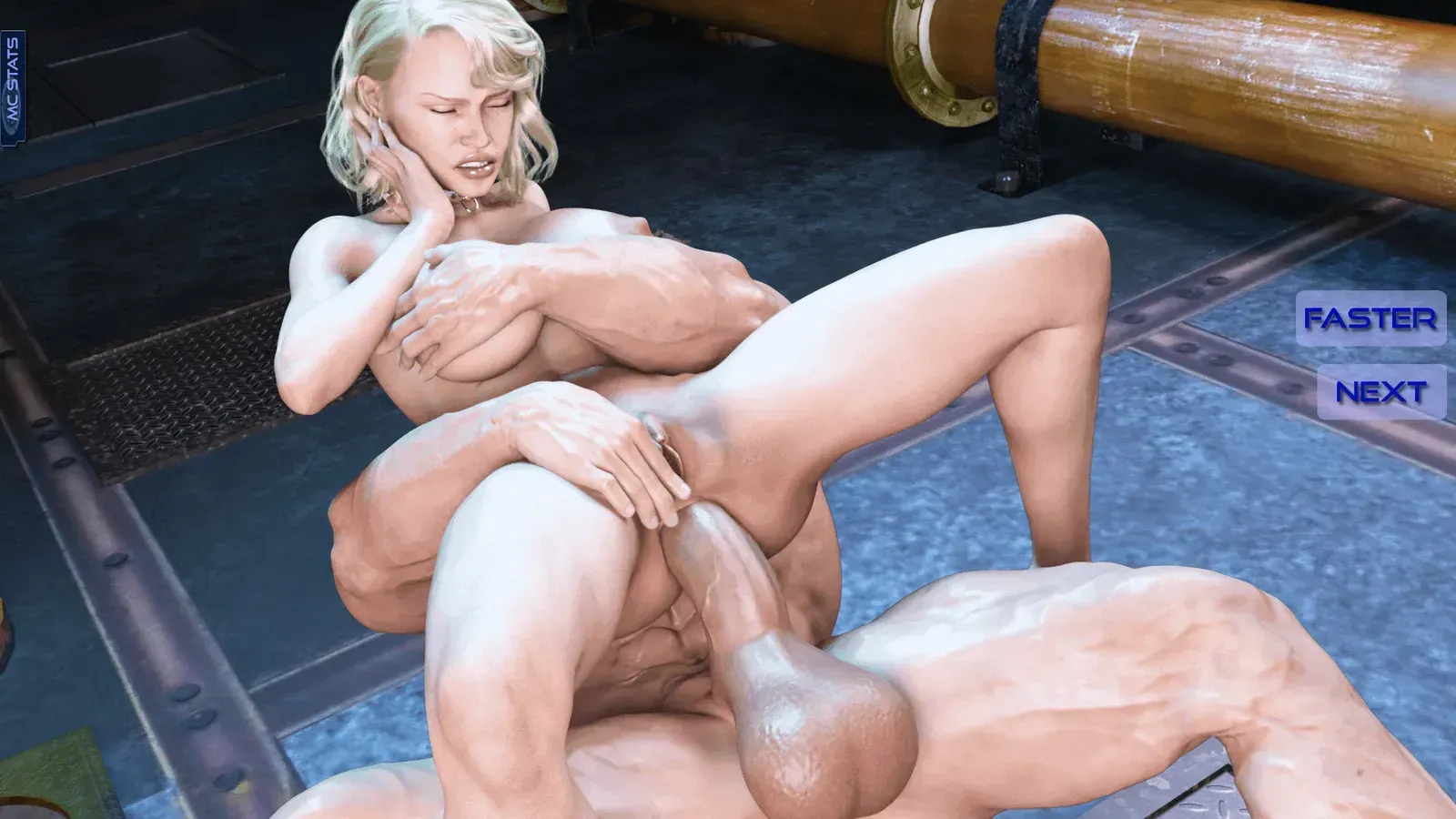
Trouble in Paradise Screenshots








Trouble in Paradise review
A practical walkthrough of characters, choices, and progression in Trouble in Paradise
Trouble in Paradise is the kind of game that pulls you in with its island setting, character-driven scenes, and choice-based progression. If you are looking for a clear, game-focused explanation of Trouble in Paradise, this article should help you understand how the main route works, what decisions matter most, and how to avoid getting stuck. I remember the first time I played a similar story-driven game and spent far too long wondering whether I had missed a key choice; that is exactly why a structured guide matters. In this article, I will break down the game’s flow, highlight the most important moments, and share practical tips for making better decisions as you play.
How Does Trouble in Paradise Work?
What is the core gameplay loop in Trouble in Paradise?
So you’ve just landed on the island, and the screen is already asking you to make your first decision. Don’t panic. The Trouble in Paradise gameplay loop is actually much simpler than it first appears. You spend most of your time doing three things: exploring new areas, talking to characters, and completing tasks that push the story forward.
Every session in this Trouble in Paradise walkthrough starts with a scene. You’ll see a location, some characters, and a situation. Then, you pick a dialogue option or an action. That choice leads to another scene, and then another. Rinse and repeat. The key thing to understand is that the game is built around short, punchy interaction sequences. You are never going to spend ten minutes running across a map. Instead, you jump from one meaningful moment to the next.
Your main goal is to unlock new locations and meet new people. To do that, you usually need to complete a specific task or raise your relationship with a particular character. For example, you might need to find a lost item for one of the island’s residents before they let you into a secret part of the beach. This cause-and-effect structure keeps the how to play Trouble in Paradise experience tight and focused.
💡 My advice for the first hour: Do not try to rush. Talk to every character at least once. Explore every highlighted object in a scene. The game hides important clues in casual conversations.
Which choices shape the story most in Trouble in Paradise?
Not all Trouble in Paradise choices are created equal. Some are purely cosmetic, giving you a different line of dialogue but leading to the same outcome. Others, however, can completely change which characters you bond with and which scenes you see.
The most impactful choices usually fall into two categories:
- Alliance choices. These ask you to side with one character over another. Picking someone’s side in an argument will boost your relationship score with them and lower it with the other person.
- Risk choices. These ask you to do something dangerous or secretive. Agreeing to help a character on a risky venture often unlocks a unique branch of the story.
The key is to pay attention to the context. If a character asks for a favor, and the UI gives you a warning like “This will affect your standing with [Character Name]”, stop and think. This is a high-impact moment. Your Trouble in Paradise progression guide works best when you understand that these red-flag moments are the points where the story forks.
🔥 A personal insight: I once missed an entire romance path because I was clicking through dialogue too fast. The character asked for a simple “Yes or No,” and I picked “No” thinking it was just filler. It turned out that “No” locked me out of a major scene chain for the rest of the playthrough. So, read the prompt. The game rewards patient players.
How do progression and scene unlocks work?
This is the part most players get wrong. Trouble in Paradise scene unlocks are not random. They are tied directly to character affinity and task completion. The game uses a hidden point system for your relationships with each character.
Imagine you have a bar for each major character. Your goal is to fill that bar by making choices they like and completing tasks they give you. Once that bar hits a certain threshold, a new scene unlocks. This scene might be a private conversation, a special event, or a steamy encounter.
Here is the simple breakdown of how progression flows:
- Complete a task for a character (find an item, deliver a message).
- This raises their affinity.
- A new dialogue tree opens up with that character.
- Choosing the correct dialogue option inside that tree unlocks the next scene.
The trick is that some tasks are hidden. A character might only give you a task if you have already raised your affinity with another character first. This creates a chain of events. If you feel stuck, it usually means you missed a conversation or a task earlier in the chain.
✅ Practical tip for first-time players: Always save before a key decision. The game usually gives you a checkpoint at the start of a new day or a new location. Use that save slot. If you make a choice that leads to a dead end or a scene you don’t like, you can reload.
Frequently Asked Questions about Trouble in Paradise
| Question | Answer |
|---|---|
| How do choices affect progression? | Every major choice raises or lowers your affinity with specific characters. Higher affinity unlocks new dialogue and scenes. Neutral or negative affinity blocks those paths. |
| Do saves really matter in this game? | Absolutely. The game does not auto-save before every risky scene. If you miss a critical choice, you can lose hours of progress. Save manually before any scene that feels important. |
| How can I avoid missing scenes? | Talk to every character after every major story beat. Return to old locations after new events happen. The game adds new interactions to previous areas when the story progresses. Do not just advance the plot; backtrack regularly to check for fresh conversations. |
Wrapping up the gameplay loop
Ultimately, the Trouble in Paradise walkthrough experience comes down to a simple feedback loop: explore, talk, choose, unlock. The better you get at reading the subtext in a conversation, the smoother your playthrough will be. If you treat every dialogue prompt like a potential key, you will rarely hit a wall.
My final piece of advice is to enjoy the discovery. The game is designed to reward curiosity. Try picking the option that feels “wrong” or risky on a second playthrough. You might be surprised at what you find. Understanding the system doesn’t ruin the magic; it actually makes the story feel more alive because you see how your Trouble in Paradise choices ripple through the entire island.
Trouble in Paradise works best when you pay close attention to dialogue, relationship choices, and the order in which you complete tasks. Once you understand how the game rewards specific decisions, the story becomes easier to follow and far more enjoyable to navigate. If you are playing for the first time, take your time, read the prompts carefully, and make backup saves before important moments so you can explore different outcomes with confidence.