Tales of Unity
Play Tales of Unity
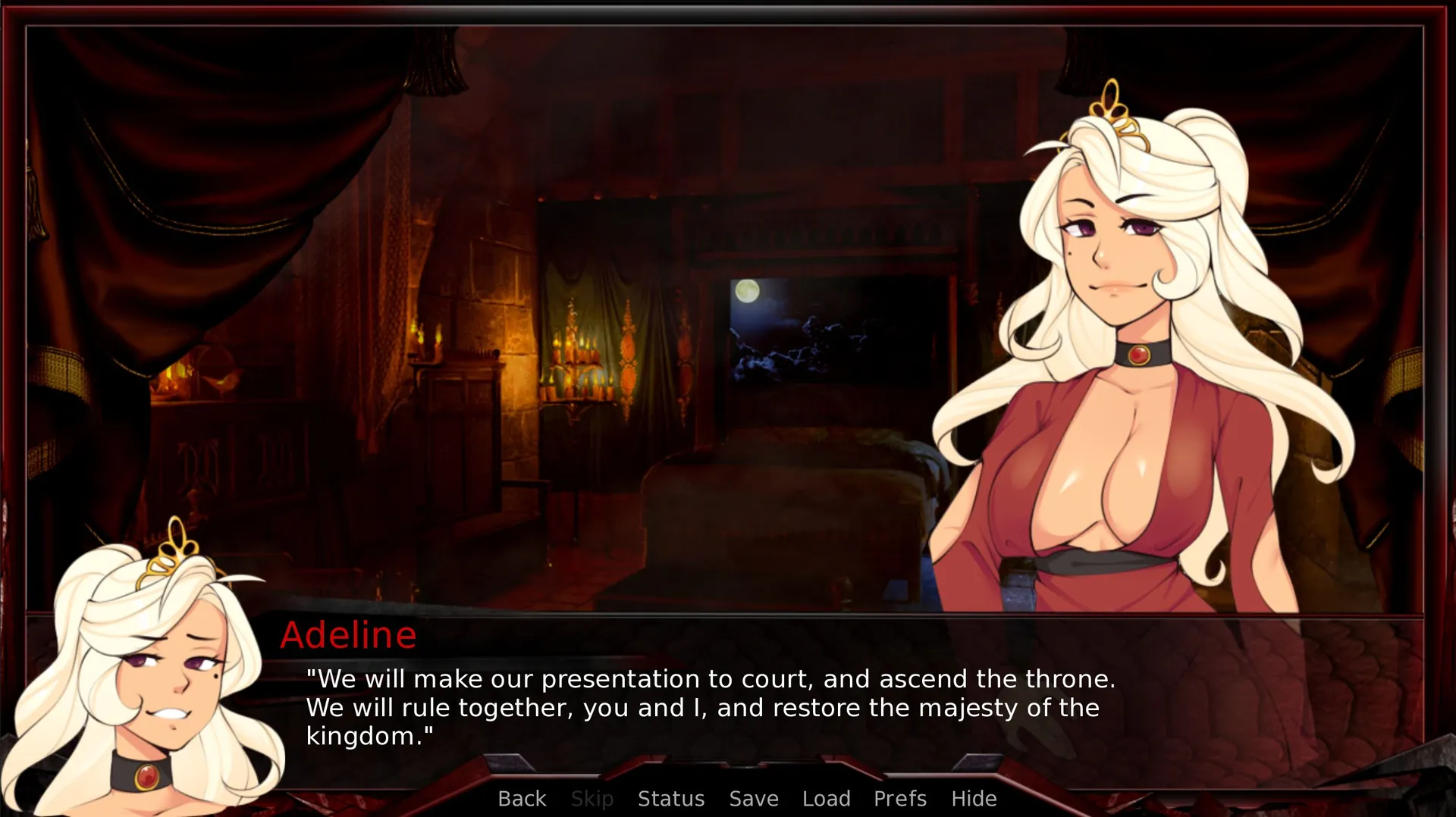
Tales of Unity Screenshots




Tales of Unity review
A player-focused walkthrough and review of Tales of Unity
Tales of Unity is a narrative-driven adult game with branching choices and character progression that has attracted attention for its storytelling and mechanics. In this article I’ll walk you through the key features, my hands-on impressions, and practical tips to get the most from the experience. Whether you’re evaluating whether to try the game or looking for setup and gameplay advice, this guide covers story elements, core systems, player strategies, and community resources to help you play confidently.
Gameplay Overview and Core Mechanics
What is Tales of Unity? — Story and structure
So, you’ve heard the buzz and you’re ready to dive in. What exactly is Tales of Unity? 🤔 At its heart, it’s a narrative-driven, choice-based RPG that feels less like a traditional game and more like you’re co-authoring an epic fantasy novel. You step into the worn boots of a Keeper, a once-legendary mediator between the fractured races of Aethelgard, now called back to service as ancient tensions threaten to boil over into total war.
The core Tales of Unity gameplay loop is beautifully simple yet deep: you talk, you listen, and you choose. The game’s structure unfolds across five major “Chronicles,” each focusing on a different region and its conflicts. You’re not a warrior hacking through armies; you’re a diplomat, a detective, and sometimes a reluctant hero, using wisdom and empathy as your primary weapons. The tone masterfully blends high-stakes political drama with moments of quiet, personal connection. I remember one early scene, just sipping tea with a grumpy dwarven elder while discussing mineral rights—it was more tense and engaging than any boss fight I’ve played!
How the game plays — systems and interfaces
Let’s break down how to play Tales of Unity. If you’re expecting complex combat hotbars, you’ll be pleasantly surprised. The game’s depth lies in its conversation and management systems.
The Conversation Canvas & Choice System 🎭
Every dialogue is your playground. The interface is clean: character portraits are expressive, and dialogue options are clearly laid out. But here’s the twist—choices are often timed, adding a layer of delicious pressure. You might have only a few seconds to decide whether to appeal to a character’s Sense of Justice or their Secret Fear. These aren’t just flavor text; they directly tap into your cultivated stats.
Your Core Stats: The Heart of Tales of Unity Mechanics
Your effectiveness is governed by four core attributes, which you build through your choices and actions:
| Stat | Influence | Common Associated Choice |
|---|---|---|
| Empathy | Builds trust, unlocks compassionate solutions, reveals hidden emotions in dialogue. | “I understand your pain.” |
| Wisdom | Helps decipher mysteries, foresee consequences, and offer strategic counsel. | “History tells us this path leads to ruin.” |
| Resolve | Allows you to stand firm under pressure, intimidate when necessary, and push through exhaustion. | “I will not be moved on this.” |
| Guile | Opens paths for deception, negotiation from a hidden advantage, and uncovering secrets. | “What’s it worth to you to keep this quiet?” |
Resource & Relationship Management ⚖️
The other half of the Tales of Unity mechanics is resource management. You have a limited pool of Influence Points (IP) and Social Capital. IP is spent to undertake major actions or unlock special dialogue options in key scenes, while Social Capital is your reputation with the game’s major factions. Choosing to spend IP to publicly support one faction might earn you their Capital but drain it from another. It’s a constant, engaging balancing act.
Exploration & The Tome of Echoes 📖
While not an open world, you explore detailed, hand-painted locations. Clicking on environmental details often provides lore, but sometimes you’ll find crucial clues or even small items that can change a conversation later. Your Tome of Echoes (the game’s journal/menu) is your best friend. It auto-updates with clues, relationship statuses, and a log of your major choices—essential for any Tales of Unity walkthrough you create in your own head!
A Quick Note on Content & Comfort 🛡️
The game deals with themes of war, prejudice, and personal loss. It handles these with maturity. A clear Content Advisory is accessible from the main menu, detailing specific themes by chapter, which I found incredibly respectful and helpful.
Progression, choices, and endings
This is where Tales of Unity truly shines. Your journey is uniquely yours. The Tales of Unity choices and endings system is a masterpiece of cause and effect.
How Progression Works 📈
You don’t gain “levels” in a traditional sense. Instead, key story decisions and successful skill checks (based on your stats) grant you Memory Shards. These are used to permanently increase your core stats or unlock special Keeper Techniques—persistent abilities that give you new options, like sensing half-truths or remembering every name you’re told.
The Web of Consequences 🕸️
Choices ripple outwards in stunning ways. Early in my playthrough, I intervened in a street altercation, using Empathy to calm a human merchant accusing an elf of theft. I thought it was a small act. Two chronicles later, that same elf vouched for me to a closed elven council, granting me an audience I otherwise would have been denied. The game constantly reminds you that no act of connection is ever wasted.
Here’s a personal anecdote that shocked me: In Chapter 3, you must mediate a land dispute. I decided to use Guile to plant false evidence framing a third party, thinking it was a clever shortcut to unity. It worked immediately, but the ending of that chapter? The real culprit was exiled and later returned as a vengeful antagonist in Chapter 5, making my final crisis infinitely harder. The game remembered my “clever” solution and made me pay for its moral cost.
Navigating Toward Endings 🏁
There isn’t one “good” ending. The Tales of Unity choices and endings are built around the final state of Aethelgard’s unity and the personal fate of your Keeper. The finale is determined by a few key pillars:
* The overall Trust Level between the major races.
* The survival and standing of your closest allies.
* The ultimate fate of the central mystery behind the rising tensions.
* Your personal Keeper’s Legacy stat (hidden), influenced by your most morally defining choices.
My #1 Tales of Unity progression tip: You cannot max all stats or please everyone. On a first playthrough, pick two core stats to focus on and one or two factions to champion. This focus will lead to a more coherent and powerful ending than trying to be a jack-of-all-trades.
To give you a clearer picture, here’s a simplified look at how major choice arcs can funnel toward different narrative conclusions:
| Central Conflict Approach | Key Stat Used | Potential Endgame Direction |
|---|---|---|
| Uncovering the Historical Truth | Wisdom / Empathy | A future built on reconciliation and shared understanding. |
| Mastering the Political Game | Guile / Resolve | A fragile, alliance-held peace through shrewd (and sometimes cynical) power balances. |
| Inspiring the People Directly | Empathy / Resolve | A grassroots movement that challenges old powers, for better or worse. |
Your 6-Point Starter Guide: How to Play Tales of Unity Like a Pro
Ready to begin your journey? Here are six practical Tales of Unity progression tips to ensure you get the most out of your story.
- Save Often, and in Multiple Slots. 🗂️ This is the golden rule. The game has an excellent auto-save, but before any major mediation or entering a new location, create a manual save. This is your ticket to experimenting with choices without regret and is the best piece of advice for anyone learning how to play Tales of Unity.
- Embrace the First Playthrough. ❤️ Don’t reload every “mistake.” The most powerful moments come from dealing with unintended consequences. Let your initial run be authentic. Your unique, imperfect path is the story.
- Prioritize Relationship Actions. 👥 When you have spare Influence Points, use them to share a meal, offer help, or give a meaningful gift to your companions. These moments often reveal backstory that unlocks new, easier paths through future conflicts.
- Manage Your Energy. ⚡ Your Keeper has a fatigue meter. Pushing through exhausting events can lead to penalties on stat checks. Sometimes, the wise choice is to rest and tackle a problem fresh, even if there’s time pressure.
- Use the Tome of Echoes Religiously. 🔍 Before any major meeting, open your Tome and review the “Active Clues” and “Personae” sections. The game often provides the solution to a puzzle in clues you’ve already found.
- Listen More Than You Speak. 👂 During dialogues, often the most powerful option isn’t to say something, but to observe or remain silent. These choices can boost your Wisdom and Empathy and sometimes make characters reveal more than they intended.
There you have it—your foundation for mastering the beautiful, intricate Tales of Unity gameplay. Remember, you’re not just playing a game; you’re weaving a tale. So take a deep breath, step into the world of Aethelgard, and see what kind of Keeper you will become. Your story awaits
Tales of Unity offers a branching narrative experience with meaningful choices, a cast of memorable characters, and systems that reward exploration and experimentation. This guide covered gameplay mechanics, character routes, installation and troubleshooting, community resources, and safety best practices to help you start and enjoy the game responsibly. If you try the game, save often, engage with the community for tips and mods, and share your favorite moments to help other players discover the routes and scenes you enjoyed most.