Second Chance
Play Second Chance
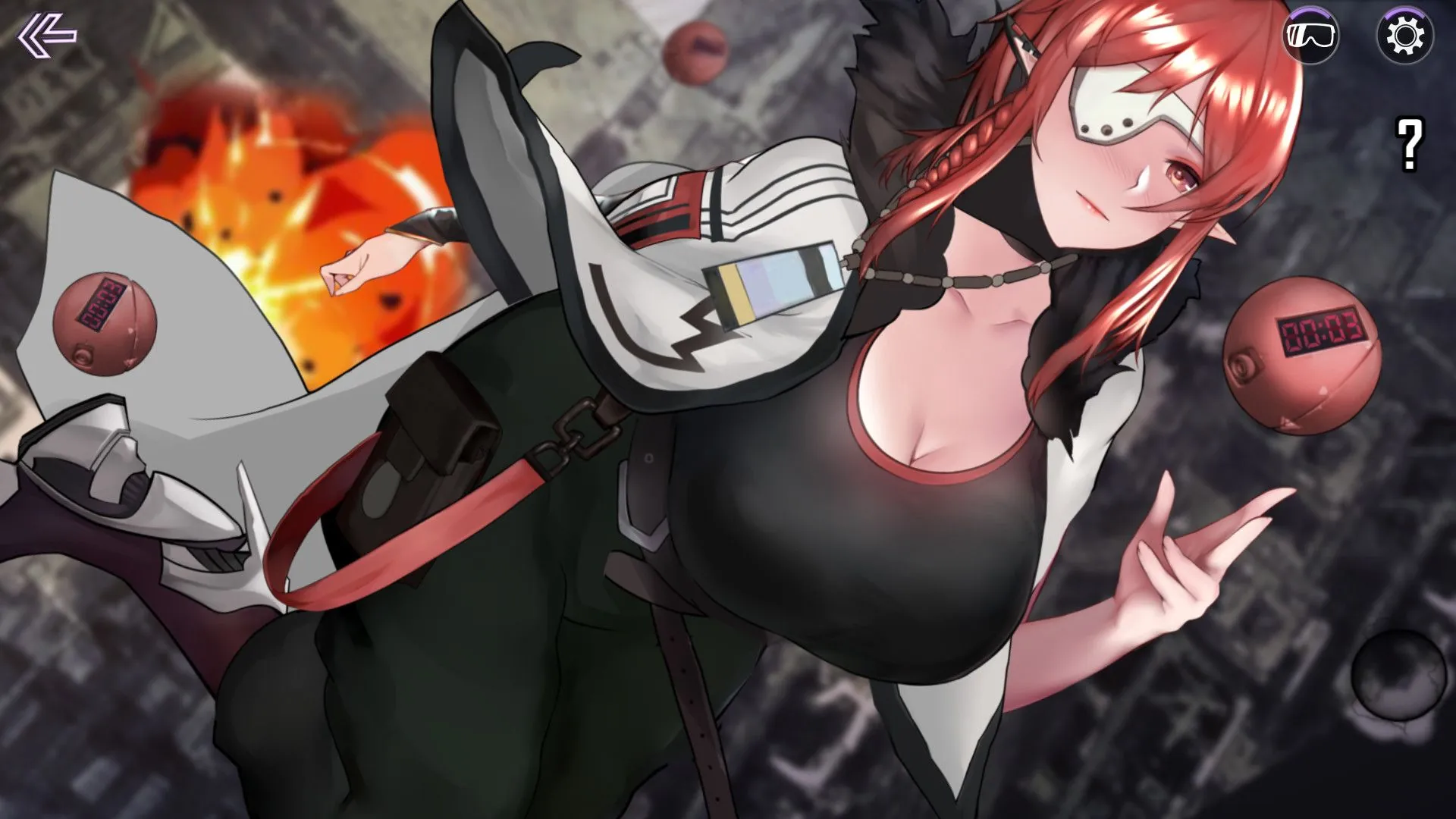
Second Chance Screenshots




Second Chance review
Explore the narrative-driven experience that redefines adult interactive fiction
Second Chance stands out as an adult-themed interactive game that prioritizes storytelling and player-driven decision-making. Unlike traditional games that follow linear paths, Second Chance offers a unique experience where your choices genuinely shape the narrative outcome. The game combines engaging dialogue, meaningful character interactions, and branching storylines that reward exploration and experimentation. Whether you’re drawn to narrative-heavy games or interactive fiction, Second Chance delivers a compelling experience that emphasizes emotional connection and consequence-driven gameplay. This guide explores what makes Second Chance a distinctive entry in the interactive gaming landscape.
Understanding Second Chance’s Core Gameplay Experience
Let’s be honest: most games that promise “your choices matter” are selling you a fantasy. You pick a snarky dialogue option, and the NPC scowls for a second before the plot chugs along exactly the same track. It’s frustrating! You’re left feeling like a passenger, not a pilot. If you’ve ever wanted a game where your voice truly shapes the world, where every conversation feels like a meaningful crossroad, then welcome. Second Chance isn’t just another title on your screen; it’s an invitation to live another life, where every decision echoes. This interactive storytelling game is built from the ground up to make you feel the weight of your words and the ripple effect of your actions. It’s a consequence-based storytelling experience that remembers everything.
So, what makes it different? At its heart, Second Chance is a deep dive into human connection and redemption, powered by mechanics that put you firmly in the driver’s seat. Forget predefined heroes; here, you shape a person. The core loop is deceptively simple: you talk, you listen, you choose. But beneath that surface lies a complex web of narrative threads, each one waiting for your touch to unravel it in a unique direction. It’s a dialogue-driven gameplay masterpiece where a simple chat can be the most thrilling part of your day.
To understand its magic, let’s break down the key features that define this experience:
- A Living Choice System: Every selection, from major moral dilemmas to casual greetings, is tracked by an intelligent narrative engine.
- Dynamic Character Relationships: NPCs aren’t scripted robots; they have memories, moods, and evolving opinions of you.
- True Narrative Branching: Stories don’t just have different endings; they have completely different middle acts based on your path.
- Emotional Consequence: Actions and words have tangible, often unexpected, outcomes that change your available opportunities.
- High Replayability: With dozens of potential story arcs and endings, one playthrough is just the first chapter of your exploration.
How Player Choices Drive the Narrative
In Second Chance, choice isn’t a garnish—it’s the main ingredient. 🎮 The game’s player choice mechanics are woven into every interaction, creating a tapestry where you hold the needle. This isn’t about picking a “good,” “bad,” or “sarcastic” response from a wheel. It’s about expressing a nuanced personality through your decisions.
Think of it like this: you’re not just guiding a character through a story; you are defining who that character is through a thousand tiny moments. Do you offer a struggling neighbor a helping hand, or do you quietly close your blinds, prioritizing your own chaotic life? The game doesn’t judge you as “good” or “evil.” Instead, it logs that decision as a data point in your “compassion” metric, which will later influence how other characters perceive you and what options are available to you. A character who has shown repeated kindness may find doors open that remain shut for a more self-centered individual.
The system goes far beyond simple morality. It tracks your honesty, your ambition, your tendency toward conflict or peace, and even your sense of humor. This creates a profoundly personalized experience. My protagonist, Alex, became a charming but flawed mediator because I consistently chose empathetic yet pragmatic solutions. A friend of mine, playing the same starting scenario, crafted a ruthless go-getter whose sharp tongue and selfish choices alienated potential allies but unlocked a entirely different, more cutthroat career path. We were playing the same interactive storytelling game, but we were not playing the same story.
The brilliance lies in the subtlety. A choice to share a vulnerable memory during a late-night chat might not change the plot of the scene you’re in, but it will fundamentally alter your relationship dynamic with that character. They will reference that trust later, confide in you sooner, or offer you support when you least expect it. This is consequence-based storytelling at its finest: quiet, human, and deeply impactful. The game remembers what you said, who you said it to, and how you made them feel. It’s this memory that fuels the narrative engine, making each playthrough a unique testament to your personal style of engagement. 🔄
Character Development Through Interactive Dialogue
If choices are the engine, then dialogue is the steering wheel. 🗣️ In many games, conversations are just exposition dumps or quest delivery systems. In Second Chance, every conversation is a mini-game of social dynamics and a primary tool for character development. The dialogue-driven gameplay means that getting to know someone isn’t a side activity—it’s the core activity.
The character relationship system is a living, breathing entity. Each major character has a multi-faceted relationship score with you. It’s not a simple “like/dislike” bar. Instead, it might track Trust, Respect, Affection, and Tension independently. A witty, challenging comment might raise Respect but lower Affection. A heartfelt apology might rebuild Trust while leaving Tension high. You’re not just trying to “max out” a friendship; you’re crafting the specific type of relationship you want.
Let me give you a personal insight. Early on, I met Leo, a gruff bartender with a hidden past. My instinct was to be polite and non-confrontational. Our relationship was cordial but distant. On a replay, I decided to match his blunt energy, calling him out on his cynicism. He was initially annoyed (Tension spiked!), but a strange thing happened: his Respect for me grew. He started seeing me as an equal, not just another customer. This opened up entirely new dialogue branches about his backstory that were completely absent in my “polite” playthrough. I had effectively changed who my character was to him, and the game reflected that beautifully.
This system makes every interaction thrilling. You’re not just reading lines; you’re actively social engineering, deciding whether to be a confidant, a rival, a flirt, or a mentor. The game’s player choice mechanics shine brightest here, as you navigate the delicate dance of human connection.
To illustrate how different approaches shape a single relationship, let’s look at this breakdown:
| Your Dialogue Approach | Impact on “Trust” Metric | Impact on “Respect” Metric | Potential Long-term Story Unlock |
|---|---|---|---|
| Consistently Honest & Vulnerable | Sharply Increases | Moderate Increase | Character may share a crucial secret or become a loyal ally in a crisis. |
| Strategic & Ambitious | Stagnant or Slow Growth | Rapid Increase | Character may offer professional opportunities or form a competitive partnership. |
| Flirtatious & Charming | Variable | Variable | Can unlock romantic subplots, but may undermine credibility in serious matters. |
| Antagonistic & Challenging | Decreases | Can Increase or Decrease Sharply | May lead to a fierce rivalry arc with its own unique quests and outcomes. |
See? There’s no “right” way. There’s only your way. This depth ensures that building relationships in Second Chance feels like a genuine accomplishment, not just a checkbox on a completionist list. 💞
Branching Storylines and Multiple Endings
This is where all the threads you’ve been pulling finally weave together into a tapestry that is uniquely yours. Second Chance isn’t a story with a few alternative endings; it’s a web of branching narrative paths that diverge from the very first chapter. The game is a quintessential multiple endings game, but that term barely does it justice. It’s not about selecting Ending A, B, or C in the final act. It’s about living a completely different narrative life that logically concludes in an ending that feels earned.
The structure is less like a tree with separate branches and more like a sprawling river delta. Small choices early on can gently nudge you onto a slightly different stream, while major decisions can cause a dramatic diversion into entirely new narrative territory. Let’s walk through a real scenario to see this in action.
Example: The Crossroad at City Hall.
Early in the story, you witness a powerful city official, Councilwoman Vance, accepting a suspicious envelope. You have a few moments to decide how to react.
* Choice A (Confront Publicly): You call her out in front of others. This immediately makes you a fierce enemy of Vance and her allies, locking you out of any political or corporate storylines connected to her. However, it catches the attention of an investigative journalist, unlocking a whole new “whistleblower” story arc focused on corruption.
* Choice B (Gather Evidence Privately): You say nothing but discreetly take a photo. This keeps your options open. You can later use the photo to blackmail Vance for favors (leading down a dark, power-focused path), anonymously send it to the press (triggering a different, more dangerous investigation arc), or confront her privately to negotiate a deal.
* Choice C (Ignore It): You decide it’s not your problem. The main plot continues seemingly unchanged, but you’ve now established your character as someone who avoids conflict. This may make you seem trustworthy to some, but spineless to others. Much later, when a city-wide scandal breaks, you will have no leverage, no allies in the fight, and fewer tools to affect the outcome.
Notice that? One moment, three choices, and each one doesn’t just change a scene—it changes the genre of the story you’re about to experience. This is the power of consequence-based storytelling. The game doesn’t just acknowledge your choice; it rebuilds the upcoming narrative around it. The branching narrative paths are so extensive that two players can spend hours in the same game world and have almost completely different sets of characters, locations, and central conflicts.
This naturally leads to incredible replay value. Your first playthrough is authentic and emotional. Your second is an experiment: “What if I was the villain?” or “What if I focused solely on romance?” or “What if I trusted no one?” Each path reveals new facets of the game’s world and characters. You’ll discover entire subplots, locations, and character arcs that were invisible on your first run. It makes Second Chance feel less like a game you “finish” and more like a narrative universe you explore from different angles. 🌌
The balance between player agency and a coherent narrative is masterful. You have immense freedom, but the story never feels random or disjointed. Every branching narrative path feels purposeful and well-written, as if it was the “main” story all along. Your endings—and there are many—feel like the direct, logical conclusion to the life you chose to live, making Second Chance the most personal interactive storytelling game you’re likely to encounter.
| Playthrough Focus | Example Key Choices | Potential Story Arc Unlocked | Ending Theme Variety |
|---|---|---|---|
| The Redeemer | Prioritize community, forgiveness, and mending broken bonds. | A story about healing a neighborhood and personal atonement. | Bittersweet, Hopeful, Cathartic |
| The Power Seeker | Choose ambition, leverage secrets, and build influence at any cost. | A political/corporate thriller about climbing to the top. | Victorious, Hollow, Tragic Downfall |
| The Lone Wolf | Reject deep connections, rely only on oneself, remain independent. | A survivalist narrative about isolation and self-reliance in a chaotic world. | Freeing, Lonely, Unresolved |
| The Connector | Focus on building all romantic and friendly relationships. | A character-driven drama about the complex web of human relationships. | Romantic, Platonic, Dramatic |
In the end, Second Chance offers more than a game; it offers a portal to other lives. It asks “Who do you want to be?” and then has the courage to truly listen to your answer, shaping an entire world in response. Its player choice mechanics and character relationship system create a foundation for stories that feel intimately yours. So, take a deep breath, step into its world, and embrace the beautiful, daunting, and exhilarating power of your own consequence-based storytelling. Your second chance is waiting. ✨
Second Chance represents a thoughtful approach to interactive gaming that prioritizes narrative depth and meaningful player agency. The game’s strength lies in its commitment to dialogue-driven storytelling, where every conversation carries weight and contributes to character development and story progression. By offering branching narratives and multiple endings, Second Chance encourages players to explore different choices and experience the full scope of its storytelling potential. The relationship system creates emotional investment, making character interactions feel genuine and consequential. Whether you’re seeking a game that values story over action or looking for an experience where your decisions truly matter, Second Chance delivers a compelling interactive narrative. For players who appreciate character-focused storytelling and meaningful dialogue, Second Chance offers a rewarding experience that justifies multiple playthroughs and exploration of different narrative paths.