Harem Hotel
Play Harem Hotel
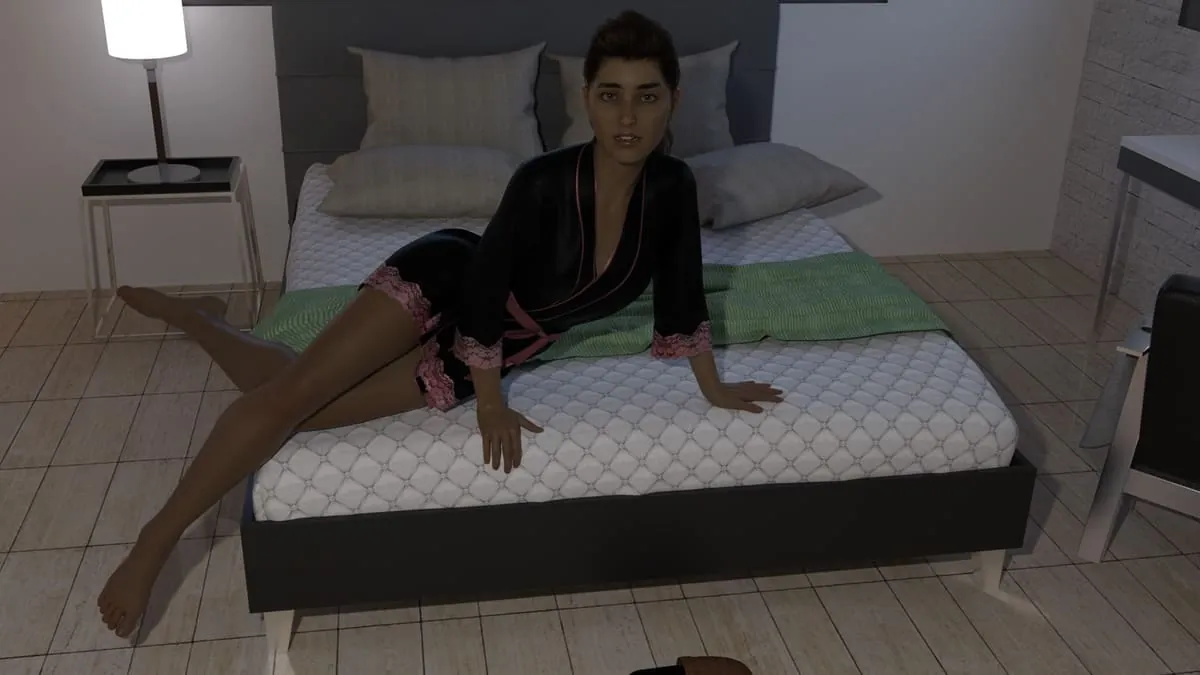
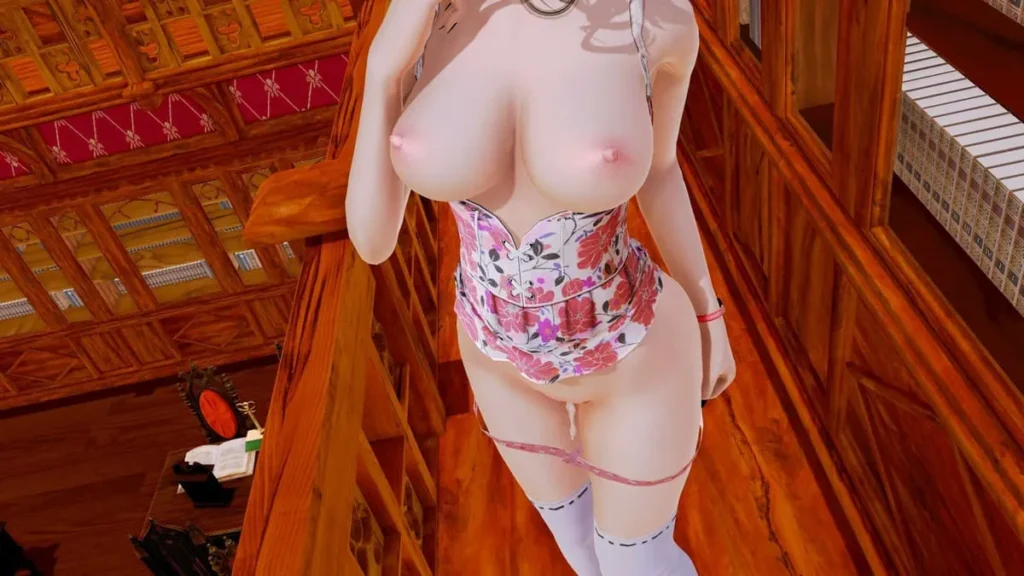
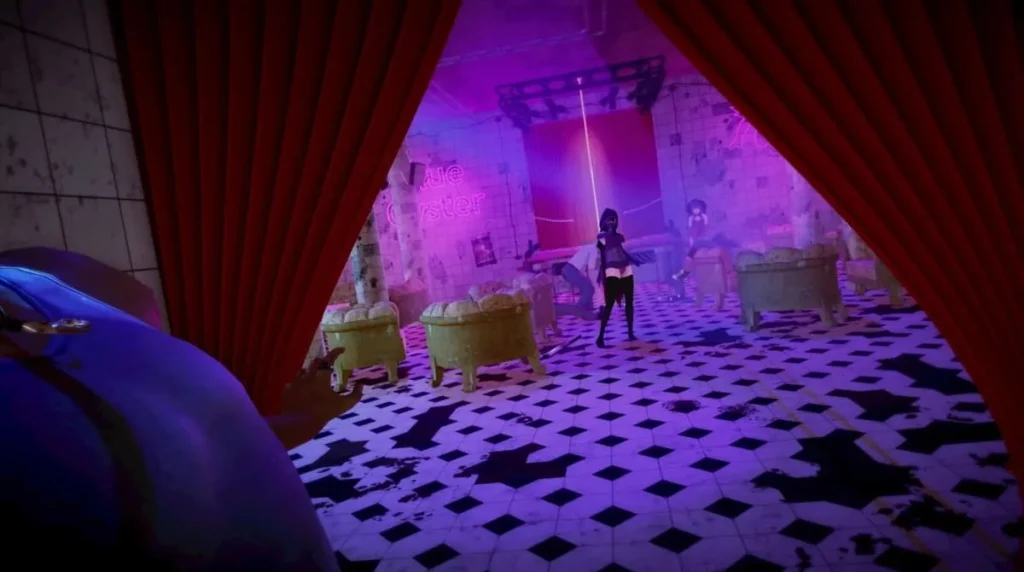
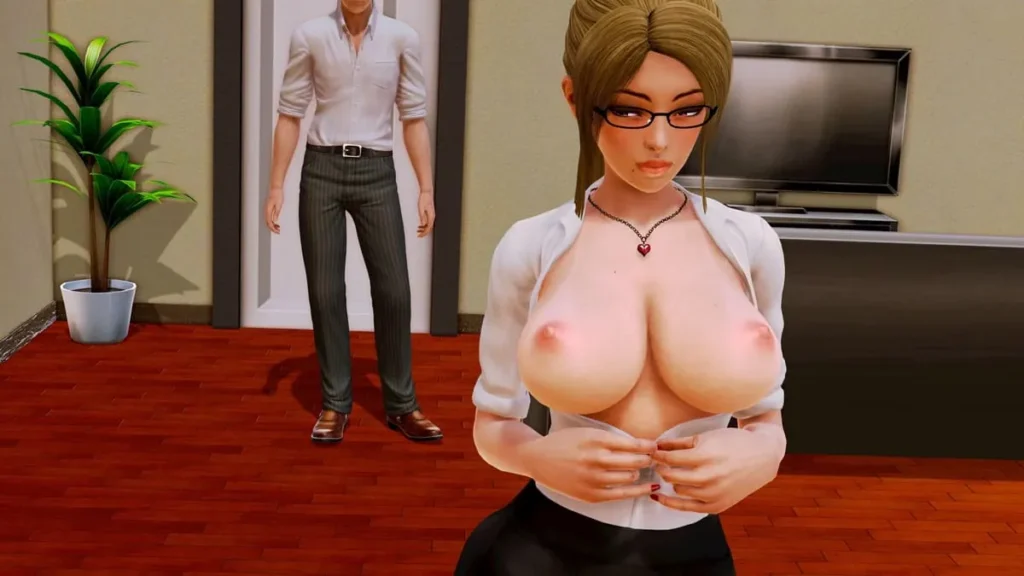
Harem Hotel Screenshots




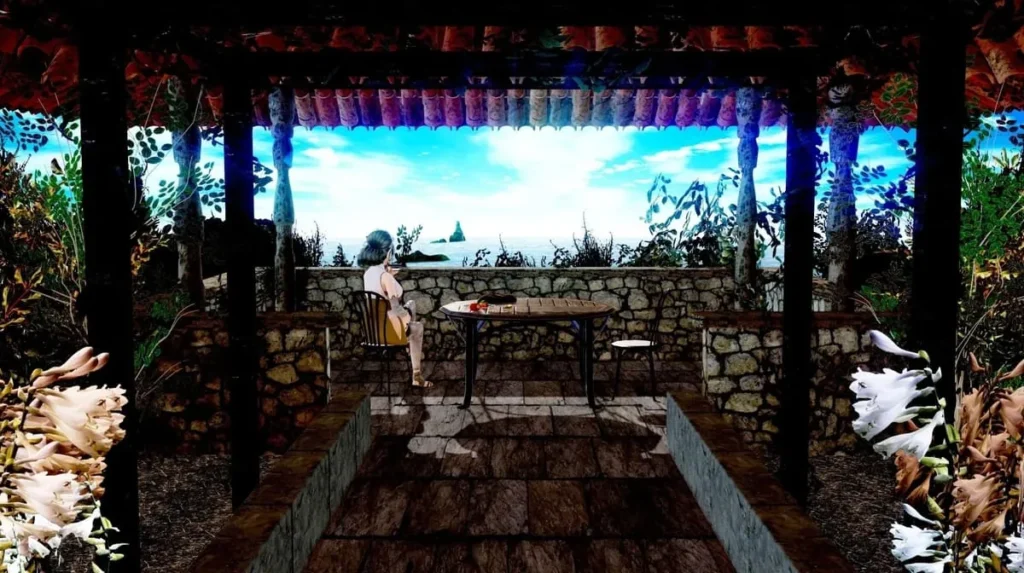

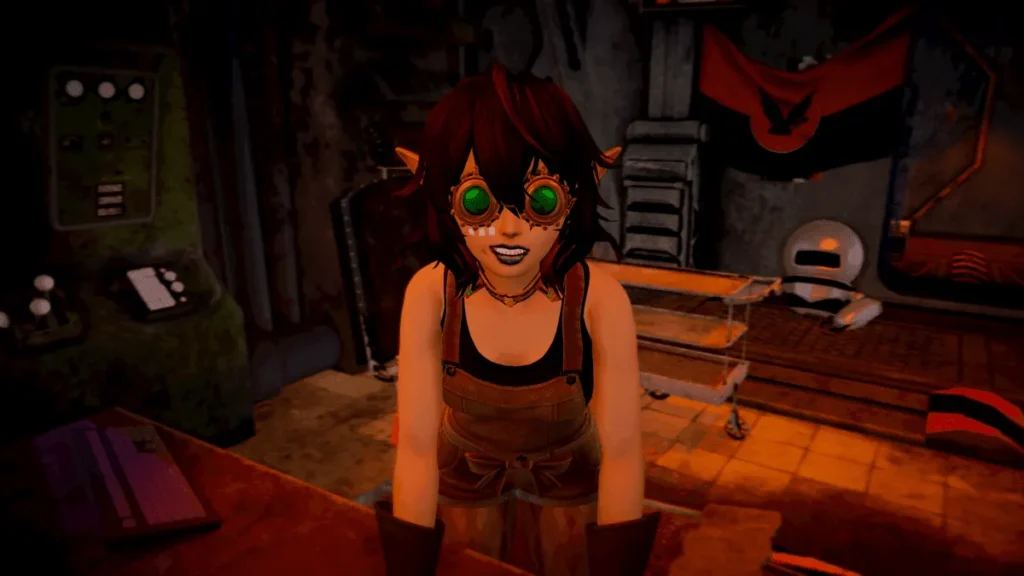
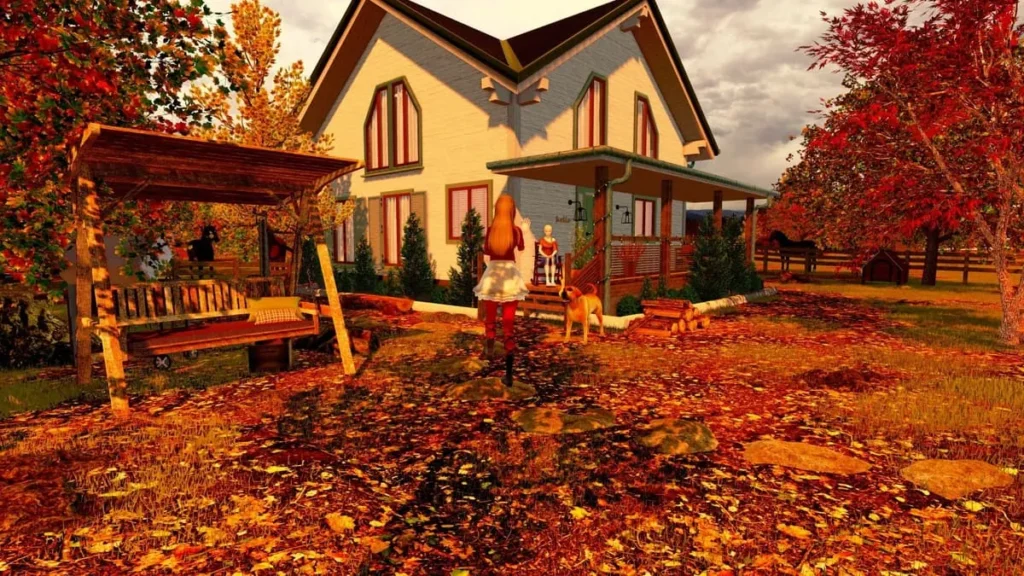

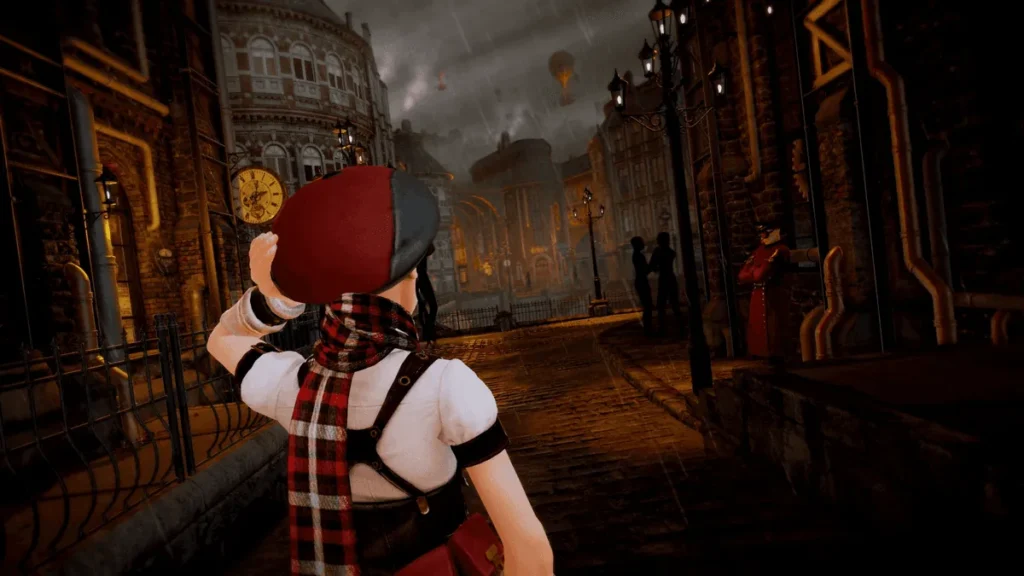
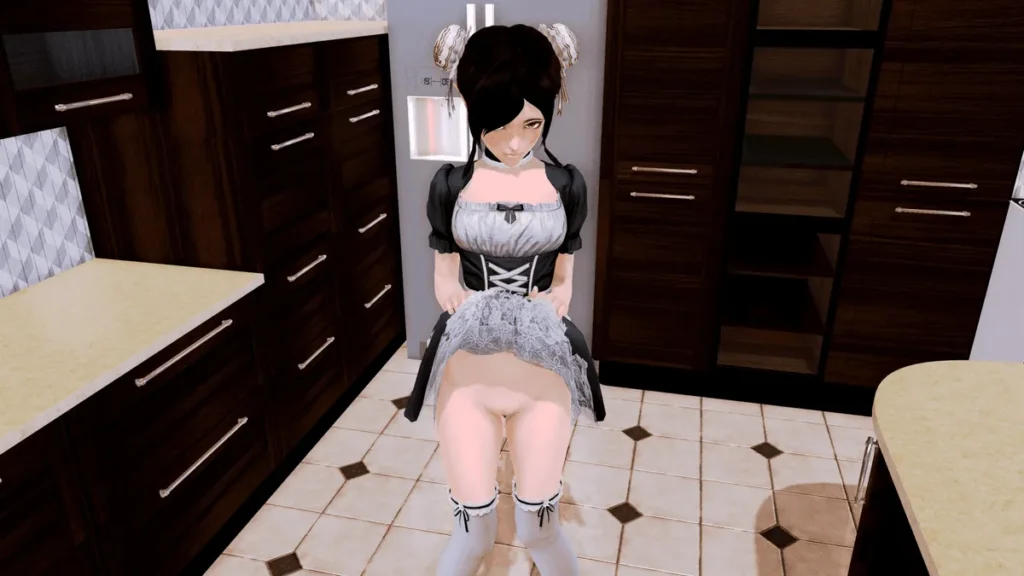
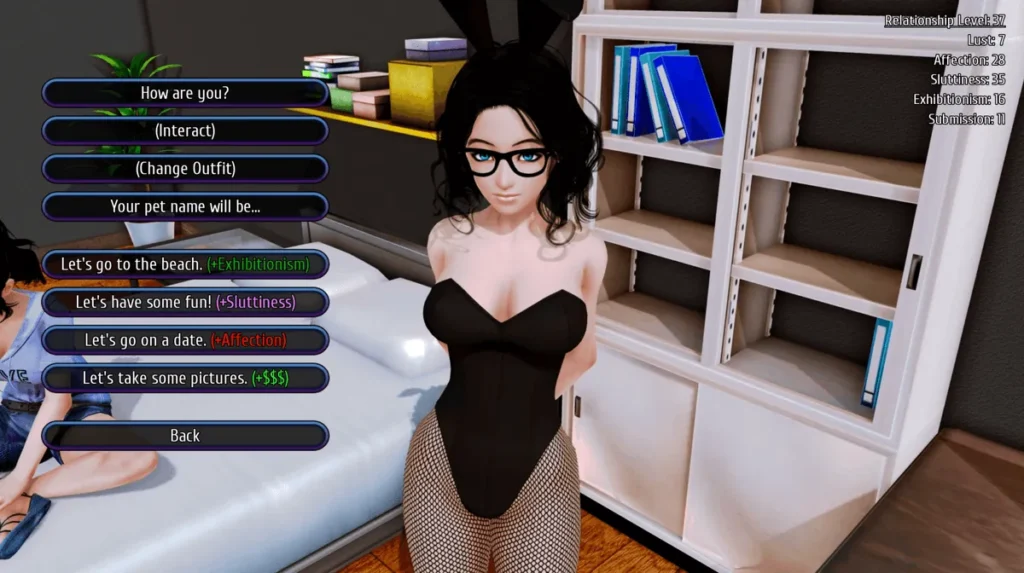
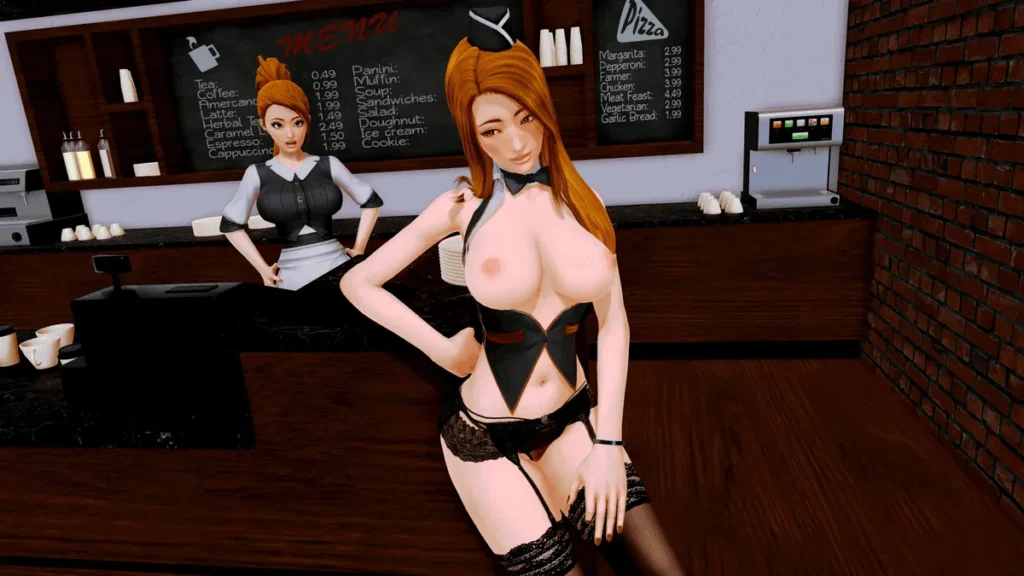
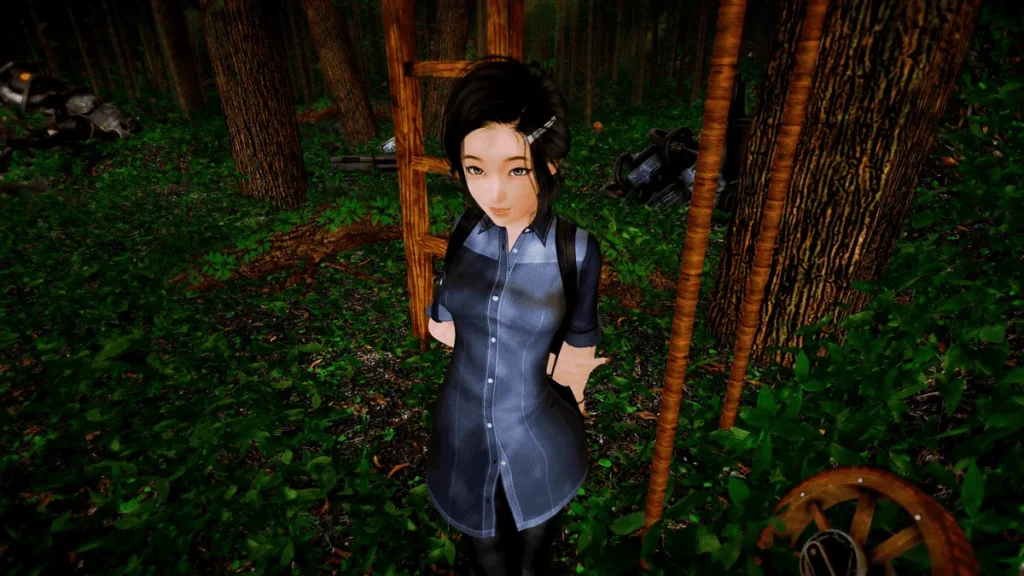
Harem Hotel review
A grounded look at Harem Hotel, its characters, and how to get the most from this adult visual novel
Harem Hotel is a long-form adult visual novel where you inherit a hotel and gradually build relationships with a cast of distinct, fully written characters. Instead of being a quick, shallow experience, it mixes explicit scenes with slow-burn storytelling, management elements, and branching events that respond to your choices. In this guide, I’ll walk you through what Harem Hotel is really like to play, how the characters and routes are structured, and some lessons I learned from my own playthrough so you can decide if it’s the right game for you and start with a clear plan.
What Is Harem Hotel and How Does It Play?
So, you’ve just clicked on a game called Harem Hotel and you’re wondering what you’re in for. 🤔 Is it a business sim? A dating game? A sprawling story? If you’re feeling a little overwhelmed, don’t worry—I was right there with you. Let’s break down exactly what is Harem Hotel and, more importantly, how does Harem Hotel work from the ground up.
At its heart, Harem Hotel is a story-driven adult visual novel with a light layer of hotel management. You play as a young guy who unexpectedly inherits a small, run-down hotel from a distant relative. The catch? Your new role as manager comes with a handful of unique residents, each with their own troubled pasts, secrets, and personalities. Your job is to rebuild the hotel, befriend (and potentially romance) your residents, and uncover the larger story of the town you now call home.
Think of it less like running a corporate chain and more like being the caretaker of a strange, found family. The Harem Hotel gameplay loop is surprisingly intuitive once you get the hang of it.
Core premise and hotel management loop 🏨
The core loop of Harem Hotel is all about the passage of in-game days. Each day, you have a set amount of energy to spend on actions. Your primary mission is to explore the hotel’s various locations—the lobby, the kitchen, the garden, individual rooms—to find and interact with your residents.
Here’s the simple, daily routine that forms the backbone of your experience:
- Check Locations: Move your cursor around the hotel map. Characters appear in specific spots at certain times.
- Talk to Residents: Initiate conversations. This is where 90% of the magic happens—through dialogue.
- Trigger Events: By talking and making choices, you’ll unlock special story scenes that deepen your relationship.
- Upgrade When Possible: Earn money from the hotel’s daily income to buy upgrades for the building or yourself, which can unlock new areas and opportunities.
It’s crucial to understand this: Harem Hotel is not a hardcore management game. 🎯 You won’t be balancing spreadsheets or facing bankruptcy. The hotel management is a gentle framework that provides structure, progression, and a source of in-game currency. It exists to serve the story, not the other way around.
I remember my first in-game week vividly. I was paranoid about missing something! 😅 I’d click on every single room, multiple times a day, worried a story event was hiding just out of sight. I was shocked by the sheer volume of dialogue and the amount of subtle world-building packed into casual chats. It quickly became clear that Harem Hotel was a game to be savored, not rushed. I learned I needed a simple routine: breakfast in the kitchen to check on two characters, a midday walk in the garden for another, and evening visits to specific rooms. This balanced approach kept multiple storylines moving forward.
How progression, events, and routes work in Harem Hotel 📈
This is where the Harem Hotel visual novel DNA shines brightest. Progression is tied almost entirely to your relationships with the characters. Each resident has her own route—a series of story events that unfold as you grow closer.
How do you advance these routes? It boils down to three key things:
- Time Spent: Simply interacting with a character daily builds familiarity.
- Stat Growth: While not always displayed as a raw number, your actions raise invisible metrics like affection, trust, or confidence. Giving the right gifts, choosing supportive dialogue options, and completing their personal tasks all contribute.
- Critical Choices: During key conversations, you’ll be presented with decisions. These choices directly steer the relationship and determine which scenes you unlock next.
The game is masterful at pacing. Different storylines progress at different speeds. One character might have a deep, emotional event available early on, while another’s story simmers slowly for weeks (in-game time). This design encourages you to rotate your attention. Focusing on just one person will eventually hit a natural pause, prompting you to spend time with others. This rotation keeps a steady flow of content and makes the hotel feel alive.
And yes, as an adult game, there are explicit scenes. But in Harem Hotel, these moments are almost always tied directly to character development and emotional payoff. They feel earned, a result of built-up trust and intimacy, rather than being random rewards. The game emphasizes the novel part of “visual novel.”
To visualize a typical early-game day, here’s a basic breakdown:
| Time of Day | Common Location | Possible Action & Goal |
|---|---|---|
| Morning | Kitchen / Dining Room | Chat with resident(s) during breakfast. Builds daily rapport and can trigger casual events. |
| Afternoon | Garden / Town | Find a resident on their break or running errands. Often leads to more personal, one-on-one conversations. |
| Evening | Hotel Rooms / Lobby | The most likely time for significant story events. Visiting a character in her room usually advances her personal route. |
| Night | Your PC / Hotel Office | Use earned money to purchase upgrades from your computer, unlocking new features or areas for tomorrow. |
My first hours with Harem Hotel: expectations vs reality 🎭
Going in, I expected a lighter, faster-paced experience. The reality was a delightful surprise. My biggest “aha!” moment was realizing that Harem Hotel rewards patience and reading. This isn’t a gallery-unlock simulator. If you’re expecting a quick, purely visual experience, you’ll be taken aback by the depth of the writing and the emotional build-up involved. These characters have traumas, dreams, and complex personalities that unravel slowly over time.
For example, one early resident comes off as cold and dismissive. My instinct was to avoid her. But by persistently choosing kind (if not always reciprocated) dialogue options, I slowly chipped away at her armor. The resulting story arc was one of the most satisfying in the game—and it took many in-game weeks to fully unfold. This is the core Harem Hotel gameplay.
My honest advice? Treat your first hours as exploration. Don’t stress about optimizing. Talk to everyone, make choices that feel true to you, and let the stories guide you. The Harem Hotel guide wisdom here is to embrace the slow burn. The hotel itself is a character, and its rhythm of daily life becomes strangely comforting.
💡 Pro Tip: Don’t ignore the “town” locations on your map! Progressing main storylines and some character routes requires you to explore beyond the hotel grounds.
To wrap up this Harem Hotel beginner tips overview, set your expectations correctly: Harem Hotel is a massive, ongoing project with years of content updates. It’s the kind of game you install, play for a few in-game weeks, put down, and happily return to later. Think of it like a favorite TV series or book series with new seasons and chapters. It’s a journey, not a sprint.
Your First Harem Hotel FAQ 🤔
Q: Is Harem Hotel more about story or management?
A: Overwhelmingly, story. The management is a very light layer that provides structure and a sense of progression. Your primary engagement will be reading dialogue, making choices, and watching character-driven plots unfold. If you’re here for deep business simulation, you’ll be disappointed. If you’re here for compelling narratives with adult elements, you’re in the right place.
Q: How long does it take to “get to the good parts”?
A: This depends on the character, but generally, emotional and intimate payoffs are spaced out to feel meaningful. You might unlock a significant scene with one character after a few in-game days, while another’s major arc takes longer. The “good parts” are the slow, getting-to-know-you moments and the character development. If you consider that the “good part,” you’ll be hooked from day one.
Q: I’m stuck! A character’s story won’t progress. What do I do?
A: This is common! First, try interacting with other residents for a few in-game days. Often, one route is gated behind progress in another’s story or a main story event. Second, explore the town—new locations often trigger new events. Third, check your PC for hotel or personal upgrades you can afford; these frequently unlock new interaction possibilities. Patience is key!
Harem Hotel is more than a quick distraction; it is a long, character‑driven adult visual novel that asks you to slow down, read, and invest in the people living under your roof. Once you understand the basic loop of checking locations, prioritizing storylines, and pacing your progression, the hotel starts to feel like a familiar place you return to, not just a menu for scenes. If you enjoy adult games with real character arcs, emotional moments, and plenty of time to get to know each resident, Harem Hotel is worth committing to. Give yourself a few in‑game weeks to settle into the rhythm, experiment with different choices, and see which characters resonate with you most.