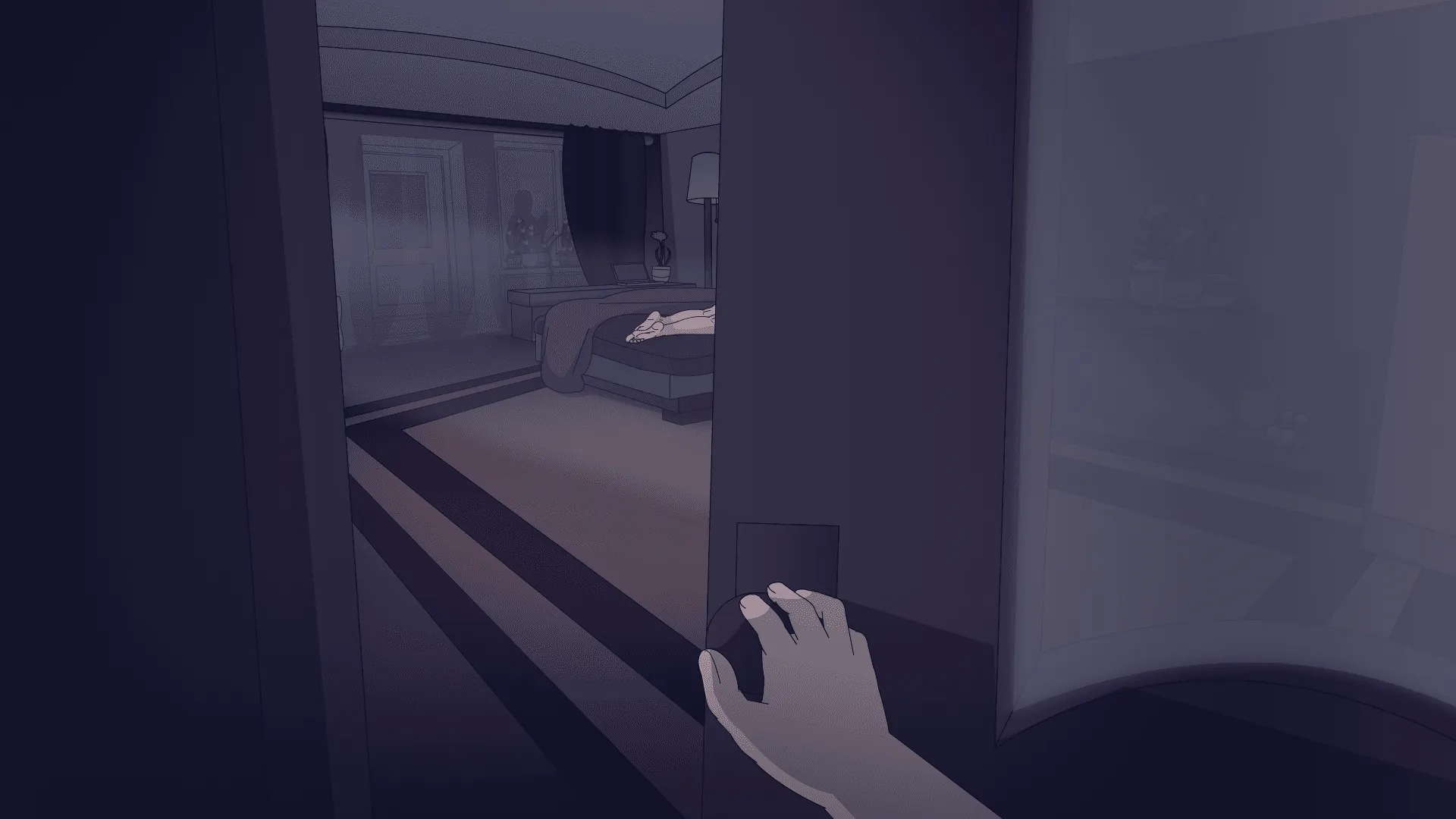
Friends in Need
Play Friends in Need
Friends in Need Screenshots

























Friends in Need review
Explore the immersive world and complex narratives of Friends in Need
Friends in Need is a narrative-driven interactive game known for its rich storytelling and multiple branching storylines. Players engage with complex characters and make choices that influence the course of the game, offering a deeply immersive experience. This article explores the core aspects of Friends in Need, including its gameplay mechanics, storyline depth, and character dynamics, providing practical insights for both new and experienced players.
Understanding Friends in Need: Gameplay and Story Structure
You know that feeling when you’re playing a story-driven game and you make a big, dramatic choice, only to realize it doesn’t really change much? 😩 I’ve been there, and it’s a letdown. That’s exactly why Friends in Need grabbed me from the first click. This isn’t just another visual novel; it’s a intricate web of lives where every whisper, every argument, and every gesture of support genuinely matters. The Friends in Need gameplay is built on a simple but powerful promise: your decisions are the architects of the narrative.
At its heart, Friends in Need is a masterclass in the interactive narrative game genre. It throws away the idea of a single, linear plot and instead presents you with a living neighborhood of interconnected souls. Your role is less about “winning” and more about understanding, influencing, and sometimes just surviving the complex emotional currents you set in motion. 🏙️ Let’s pull back the curtain and see what makes this experience so uniquely compelling.
What Makes Friends in Need Unique?
So, what sets Friends in Need apart from a sea of other story games? It’s the brutal, beautiful honesty of its cause and effect. I remember in my first playthrough, I casually agreed to help a character, Leo, move some boxes on a Tuesday. It seemed like a minor, kind gesture. What I didn’t realize was that this simple “yes” meant I was unavailable to answer a desperate phone call from another friend, Sam, later that afternoon. That missed call became a pivotal rift in our relationship, altering Sam’s entire storyline towards isolation and anger. 🤯
This level of narrative branching in Friends in Need is the game’s signature. The gameplay mechanics in Friends in Need are designed to make you feel the weight of time, attention, and emotional bandwidth. You have a limited number of actions per in-game day. Choosing to spend time deepening a bond with one character inherently means neglecting another. The game doesn’t judge you for this—it just reflects the consequences with stunning narrative precision.
The core loop is deceptively simple: read beautifully written dialogue, make choices in conversations, and decide how to spend your time. But beneath that is a sophisticated system tracking relationship scores, character states, and hidden flags that determine which of the multiple Friends in Need storylines become available or are locked away forever. It’s a game that demands to be replayed, not out of completionism, but out of a genuine curiosity to see how the other half lives—or in this case, how your other friends fare when you choose differently.
Navigating Multiple Storylines and Choices
The narrative structure of Friends in Need is its crown jewel. You aren’t following one main plot with side quests. Instead, you are at the center of a network of Friends in Need storylines, each with the depth and gravity of a main plot. There are at least five core character arcs—like Maya’s struggle with her family business, or Ben’s secret artistic ambitions—that run concurrently. Your Friends in Need choices determine which of these stories you engage with most deeply and how they ultimately resolve.
The branching isn’t just about good or bad endings. It’s about nuanced outcomes that feel real. For example, helping a character confront their problem head-on might lead to a painful but ultimately healthier resolution. Meanwhile, constantly offering them a comforting escape might preserve your immediate friendship but enable their long-term unhappiness. There are no “paragon” or “renegade” prompts; the game presents you with realistic, often ambiguous dialogue options.
To illustrate how these branches work, let’s look at how a single early-game event can spiral:
| Your Key Decision | Primary Storyline Affected | Example Long-term Outcome |
|---|---|---|
| You invest time in proofreading Maya’s important business proposal. | Maya’s Career & Family Stress | Her proposal succeeds, easing family tension but making her over-reliant on your help. |
| You instead use that time to attend Ben’s underground art show for moral support. | Ben’s Artistic Confidence & Secret Life | He gains the courage to publicly pursue art, but feels you neglected Maya’s “real” crisis. |
| You choose to do neither, needing a personal “mental health day.” | Your Own Character’s Resilience & All Relationships | You avoid immediate burnout, but both friends perceive you as distant during critical moments, subtly cooling both relationships. |
This table barely scratches the surface! 😅 The real magic is in how these storylines intersect. Ben’s newfound confidence might lead him to offer Maya creative design help for her business, mending a rift you thought was permanent. Or, your neglect might push them toward each other, forming a bond that excludes you. The Friends in Need gameplay constantly surprises you with these emergent, organic story intersections.
Character Interactions and Relationship Dynamics
If the storylines are the spine of the game, then the character relationships in Friends in Need are its beating heart. These aren’t NPCs who exist to give you quests; they are simulated individuals with their own friendships, schedules, and conflicts with each other. Your relationship with each character is a separate, dynamic meter, but it’s also influenced by the web of connections around you. 🕸️
Defending one friend in an argument will inevitably strain your standing with the other. I learned this the hard way! In my second playthrough, I witnessed a blow-up between Alex and Jamie. I sided with Alex, providing what I thought was logical support. My relationship with Alex skyrocketed, but Jamie didn’t just get a little mad at me—they started canceling plans, their dialogue became frosty, and, crucially, they began poisoning my reputation with our mutual friend, Casey. The gameplay mechanics in Friends in Need model gossip, loyalty, and social fallout with an almost intimidating accuracy.
Building these relationships requires more than just always saying “yes.” It requires active listening, remembering personal details that come up in conversation, and sometimes offering tough love. The dialogue system is brilliant here. You’re often given three response types, not labeled as good/bad, but reflecting different tones: Practical, Emotional, or Avoidant. Choosing the Emotional option with a stoic character might break down their walls, or it might make them shut down completely. You have to learn who these people are.
My top tip for managing these dynamics? Keep a real-world notepad. Jot down things characters love, fear, or mention wanting to do. When you later reference these in conversation (the game often gives you the chance), the relationship boost is significant and the scene that unfolds feels incredibly rewarding. It transforms the Friends in Need gameplay from a series of choices into genuine social interaction.
Ultimately, the character relationships in Friends in Need are what grant the game its immense replayability and emotional weight. You’re not just unlocking endings; you’re cultivating a garden of human connection, knowing full well that some flowers will bloom while others might wilt, all based on where you choose to direct your light and water. It’s a poignant, powerful reminder of the realities of friendship, making every playthrough a uniquely personal and reflective experience. 🌟
Friends in Need offers a compelling blend of storytelling and player-driven choices that create a unique gaming experience. Its complex characters and multiple storylines encourage exploration and replayability. Whether you are new to the game or looking to deepen your understanding, engaging with its narrative and gameplay mechanics will enhance your enjoyment. Dive in and discover the many paths your journey can take.