Aperture
Play Aperture
Aperture Screenshots


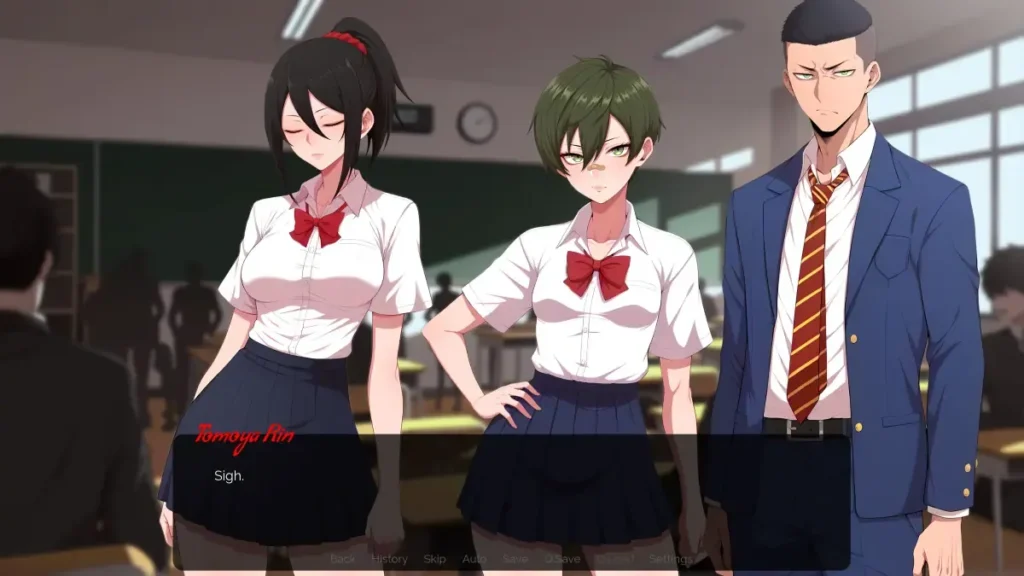
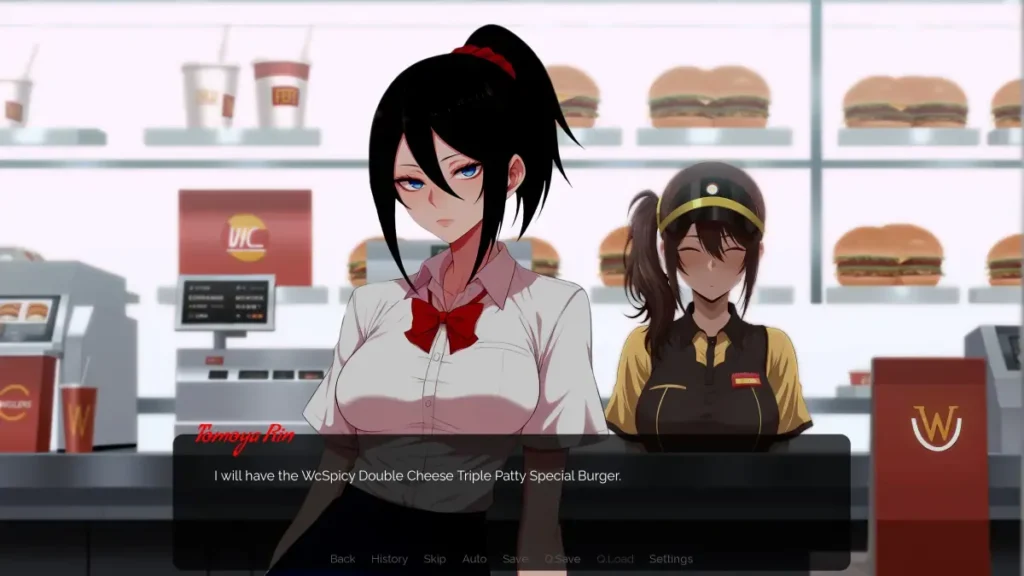
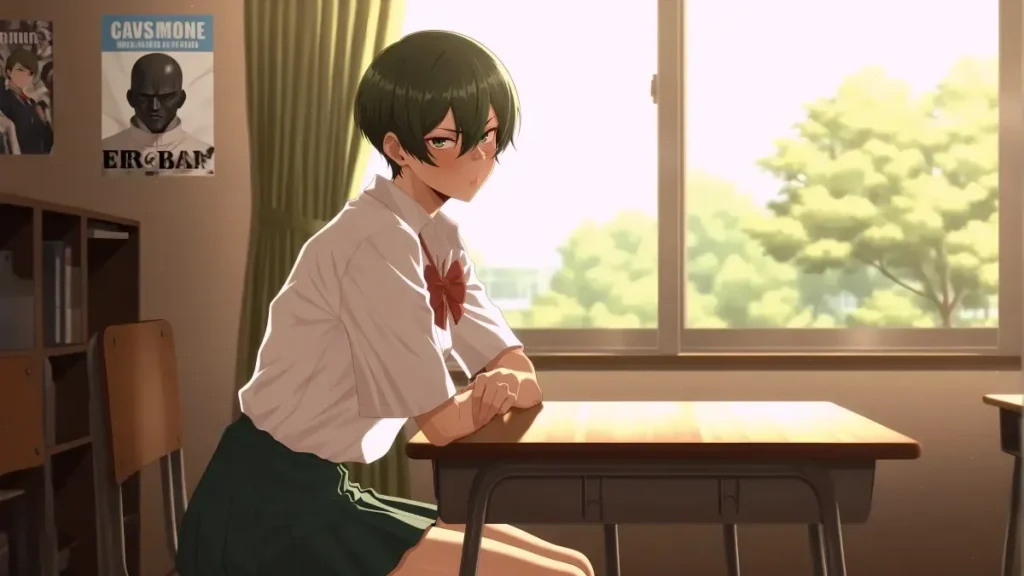
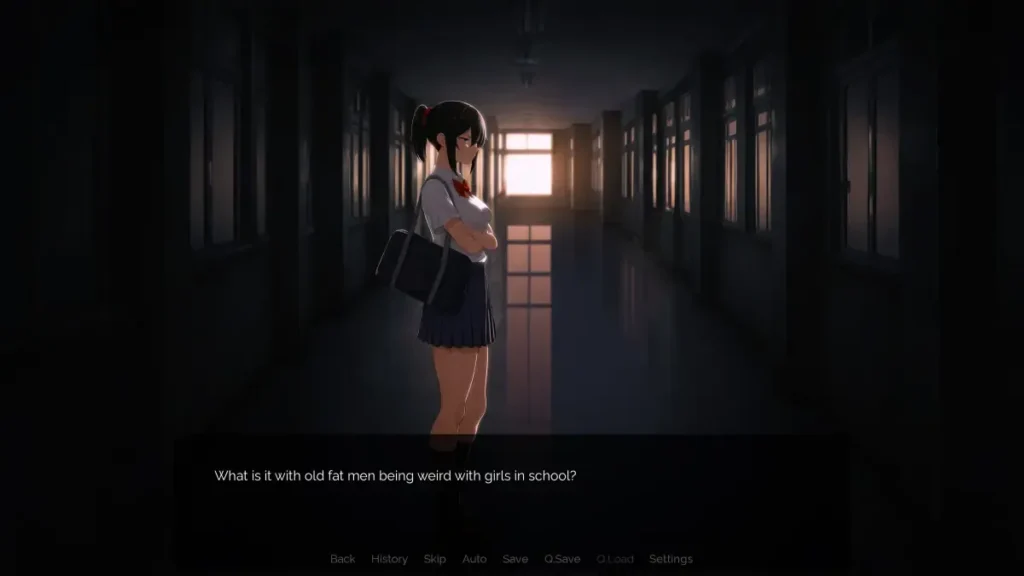




Aperture review
A personal, practical look at the Aperture game, its characters, and how to get the most out of your playthrough
Aperture is a narrative-driven game that blends character relationships, branching choices, and immersive world-building into a single, tightly focused experience. If you have seen mentions of Aperture and wondered what the game actually offers, how its story unfolds, and what kind of player it is best suited for, this guide will walk you through the essentials. Drawing on personal playthrough impressions and practical tips, we will explore the core plot, main characters, game structure, and decision paths so you can decide if Aperture fits your style and know how to get the most out of your time with it.
What Is Aperture and Why Has It Gained Attention?
You’ve probably seen the name Aperture pop up in discussions about thoughtful, story-driven games. Maybe a friend mentioned it, or an algorithm served you a hauntingly beautiful screenshot. But if you’re asking yourself, “Wait, what is Aperture, really?” you’ve come to the right place. 😊
Let’s cut through the buzz. Aperture is not a game about reflexes, complex stats, or conquering a world map. It’s an experience built on a different kind of power: the power of a whispered confession, a loaded silence, and the fragile connections between people. If you’re craving a deep narrative dive, this Aperture game overview will help you understand exactly what you’re stepping into.
Overview of Aperture and Its Core Premise
At its heart, Aperture is a narrative exploration game where the primary controller isn’t a joystick, but your attention. The core premise is deceptively simple: you are an observer and participant in the lives of a small cast of characters, typically in a contained, intimate setting. Think less about saving the world and more about uncovering the world within a person.
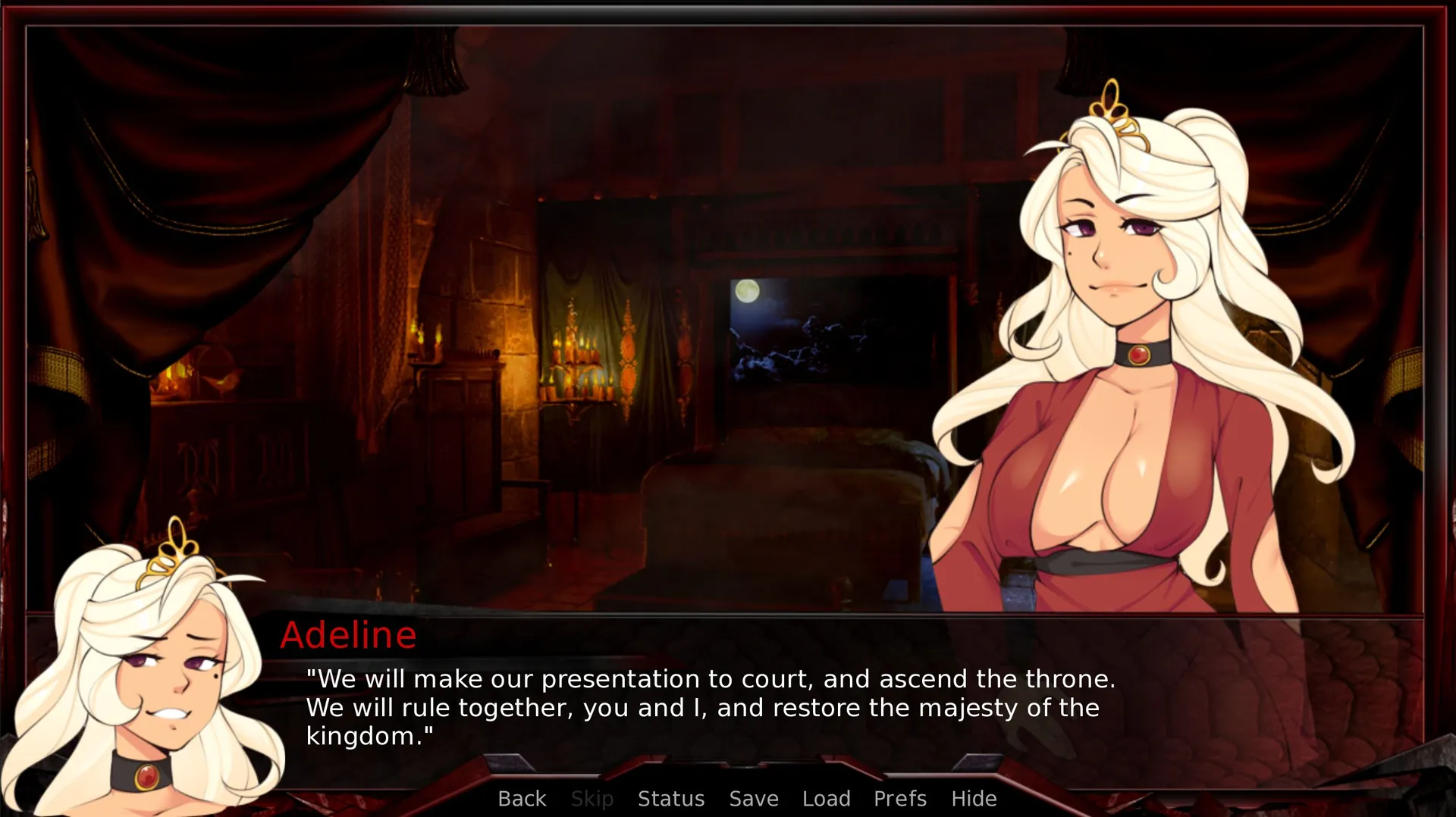
The general setting and tone often lean toward the mature, the melancholic, and the atmospheric. You might find yourself in a slowly decaying manor, a quiet coastal town after the season has ended, or a spaceship drifting between stars. The atmosphere is a character itself, meticulously crafted through subtle sound design, a purposeful art style, and a soundtrack that feels like a mood. This is a game that isn’t afraid of quiet moments. 🎵
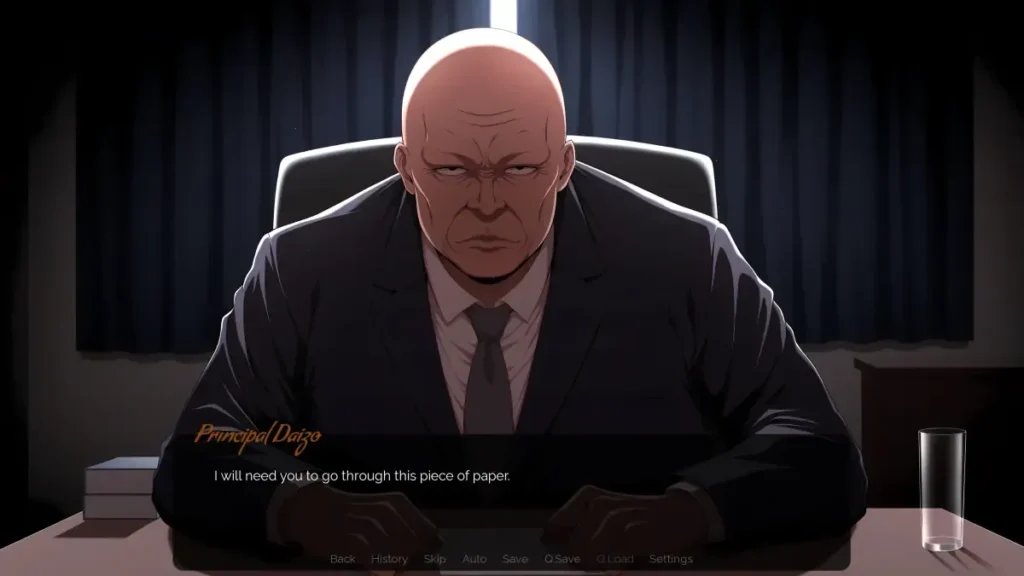
So, how do you play? Your Aperture gameplay experience progresses through character-driven scenes. You’ll read dialogue, internal monologues, and environmental descriptions. The “gameplay” comes from the choices you make during conversations. These aren’t always grand, life-altering decisions (though some are). More often, they are subtle shifts in tone: a question asked with empathy versus skepticism, a decision to share a personal detail or to hold back, choosing to pursue one character’s thread of conversation over another’s.
This focus on narrative immersion means progress is measured in emotional understanding, not experience points. You unlock new interactions and scenes by building rapport, making certain choices, and patiently revealing layers of backstory. The emotional payoffs are earned through careful attention to the subtext of every exchange. For me, this is the magic of the Aperture game—it rewards you not for how fast you click, but for how deeply you listen. 🕯️
Who Is Aperture Really For?
This is the million-dollar question: is Aperture worth playing for you? Let’s be honest, its particular brand of magic won’t resonate with every player, and that’s okay. Clarity is kindness when it comes to your free time!
The ideal player for the Aperture game is someone who treats interactive stories like a good book or a thoughtful film. If you love getting lost in lore, analyzing character motivations, and savoring the slow burn of a well-told tale, you are in the right place. This game is a perfect fit for fans of narrative adventures, visual novels, and “walking simulators” that prioritize story over traditional action.
You must be comfortable with a specific pacing. There is lots of reading. There are no puzzles to “solve” in a conventional sense, no combat encounters to master. The challenge—and the joy—is internal. It’s in piecing together a character’s past from their reluctant half-answers and understanding why they react a certain way to your presence. Your choices influence the feel of the journey more than they branch the plot into wildly different endings. They shape your relationship to the story and its people.
To put it plainly: if your ideal game session involves fast-paced action, constant skill-testing, or competitive play, you will likely find Aperture frustratingly slow. But if you’ve ever finished a story-heavy game and immediately wanted to dive into forums to discuss a character’s fate with others, this might just become your next favorite experience.
Think of this as your quick-fit check:
| You Will Probably Love Aperture If… | You Might Want to Look Elsewhere If… |
|---|---|
| You enjoy visual novels and story-focused adventures. | Your primary gaming goal is action, combat, or high-speed gameplay. |
| You love analyzing characters and uncovering backstory. | You prefer minimal reading and maximum doing in your games. |
| Atmosphere and emotional payoff are as important as plot. | You need clear-cut objectives and constant guidance. |
| You appreciate games that feel like interactive, literary fiction. | You are looking for a light, purely entertaining experience. |
My First Playthrough Impressions
I remember starting my first Aperture playthrough with a mix of curiosity and caution. The interface was clean, almost minimalist—a cursor for highlighting interactive elements in the scene, a log to review past dialogue, and clear prompts for choices. There was no tutorial pop-up explaining a complex control scheme, just a gentle nudge into the world. For any beginner wondering about the Aperture game for beginners, this accessibility is a huge plus. You can just… start. ✨
Meeting the first characters was an exercise in subtlety. Their introductions weren’t dramatic entrances; they felt like noticing someone interesting in a quiet room. The writing did the heavy lifting, giving me just enough to be intrigued but holding back volumes. I quickly learned that every dialogue option was a tool. Was I here as a therapist, a friend, an investigator, or a mirror?
An early scene perfectly illustrated this. I was talking to a character about a seemingly mundane object—a broken clock on a mantelpiece. I had two main paths: I could ask about the clock’s practical fate (“Should we try to fix it?”) or focus on the memory it held (“It seems like it was important to someone”). Choosing the practical route moved the conversation forward politely. But choosing to acknowledge the memory? The character’s entire demeanor changed. A wall came down for just a second, a layer of their history was hinted at, and the tone of the next several scenes felt warmer, more trusting. It was a quiet revelation: in Aperture, there are no “right” choices, only meaningful ones.
“The atmosphere in Aperture isn’t just a backdrop; it’s a presence that sits with you, changing how you hear every line of dialogue.”
The atmosphere, soundtrack, and visual style are a masterclass in cohesion. The art isn’t about hyper-realism; it’s about impression and feeling. A room isn’t just lit, it’s mooded. The soundtrack—often just ambient pads or a lone piano—knows exactly when to swell and when to disappear into the sound of rain or footsteps. This synergy surprised me with its power. I wasn’t just playing a game; I was being orchestrated into a specific headspace.
After a few hours, I realized I wasn’t thinking about “completing objectives.” I was thinking about the people. “I wonder if Character A will finally talk about their sister today,” or “I hope my choice last night didn’t make Character B feel judged.” That level of investment is the gold standard for this genre, and Aperture delivered it for me. My Aperture gameplay experience became less about seeing what happened next in the plot, and more about understanding what happened before, in the lives of these digital souls.
So, to circle back to the central question: what is Aperture? It’s an invitation. An invitation to slow down, to listen closely, and to find a profound narrative experience in the spaces between words. This Aperture game review from my personal playthrough boils down to a strong recommendation—but only if you’re coming for the story. If that sounds like your kind of journey, then yes, without question, Aperture is worth playing. Your attention is the key to unlocking its quiet, beautiful world. 🔑
Aperture stands out as a character-driven, choice-based experience that rewards players willing to slow down and sink into its story. Once you understand its pacing, focus on dialogue, and emphasis on relationship-building, the game becomes far more engaging than a quick glance might suggest. If you are drawn to narrative-heavy titles and enjoy seeing how small decisions can ripple through later scenes, Aperture is well worth your time. Give yourself space to explore different paths, pay attention to the details in each interaction, and you will likely find that its world and characters linger with you long after you close the game.