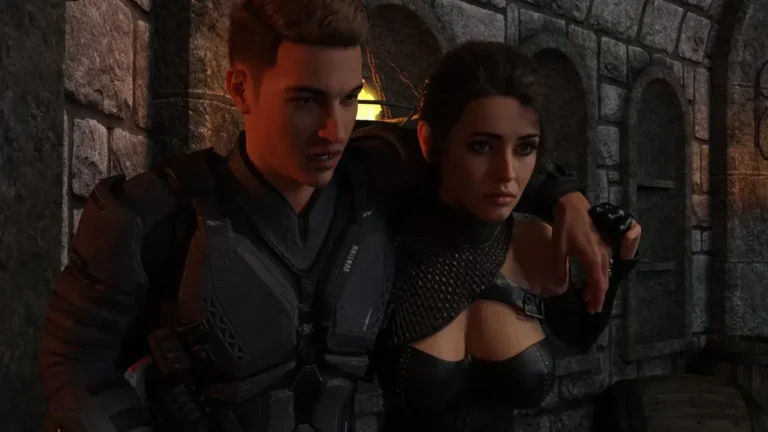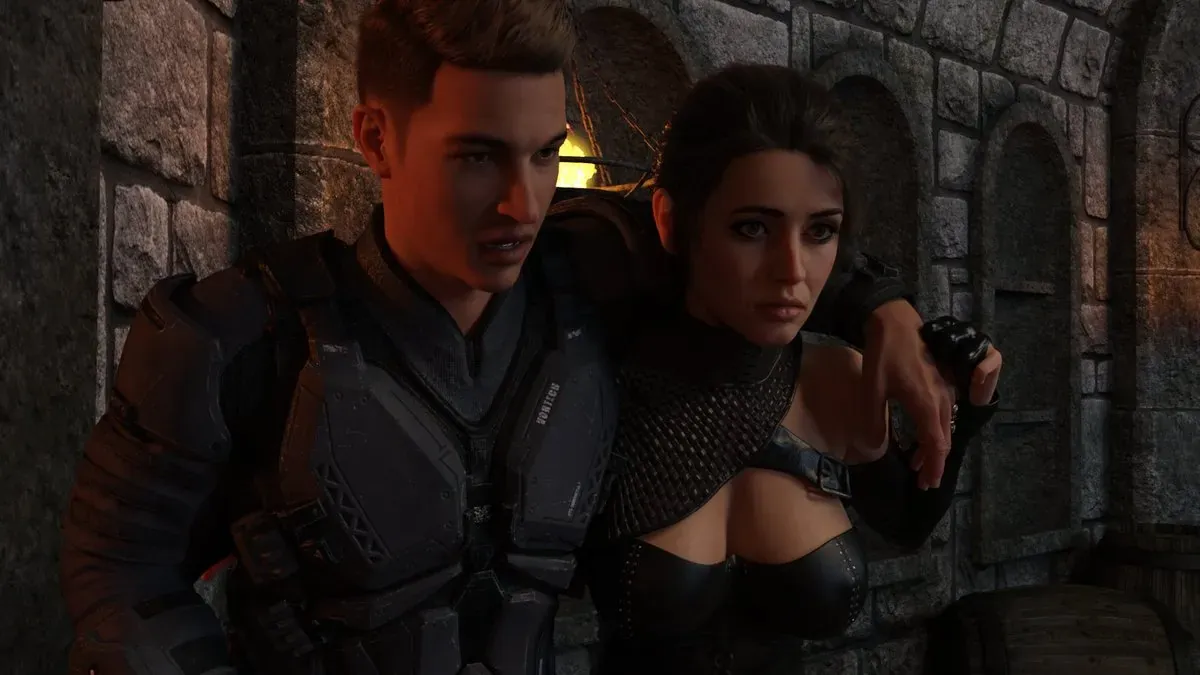
A Father’s Sins
Play A Father’s Sins
A Father’s Sins Screenshots
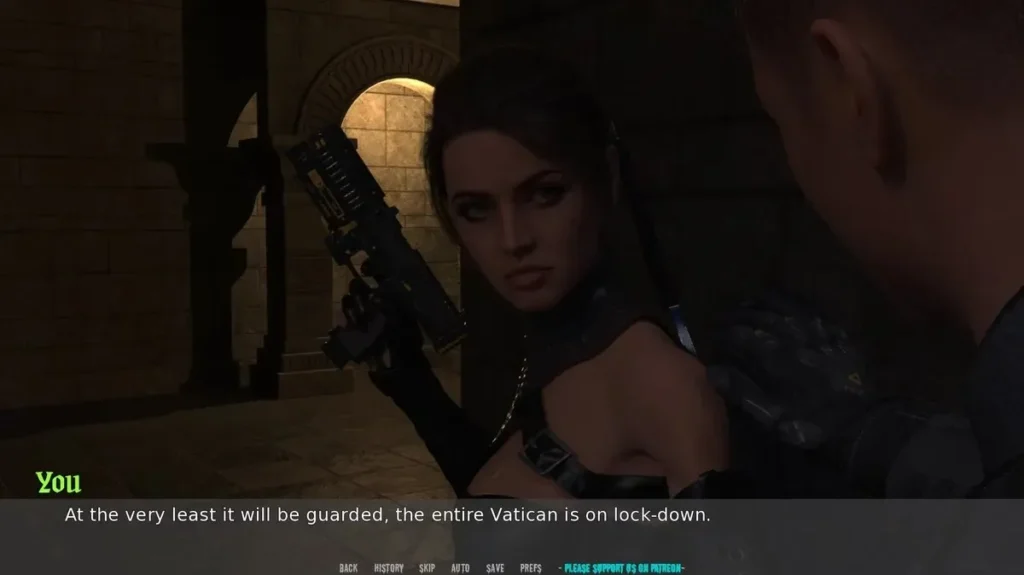
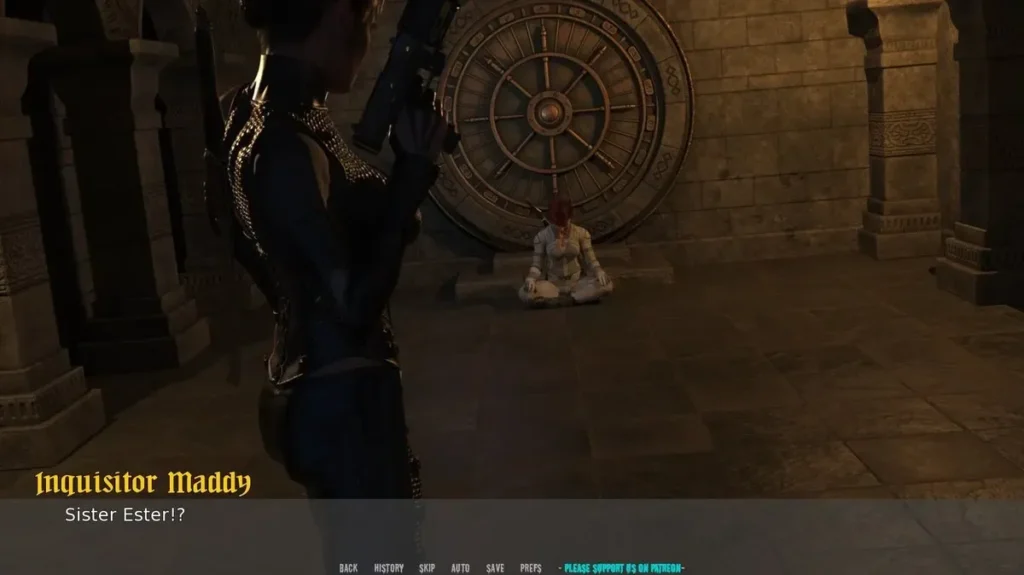
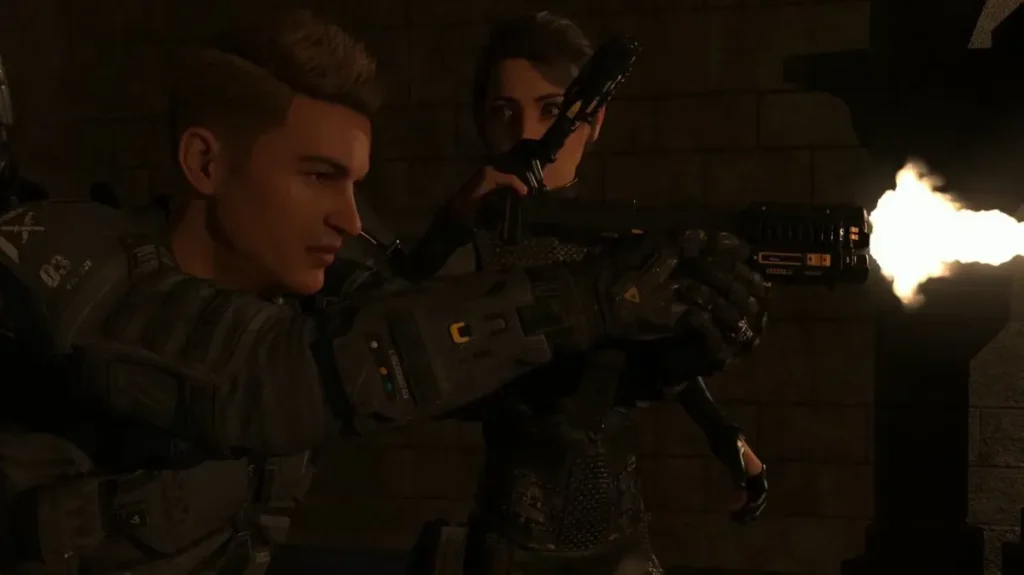
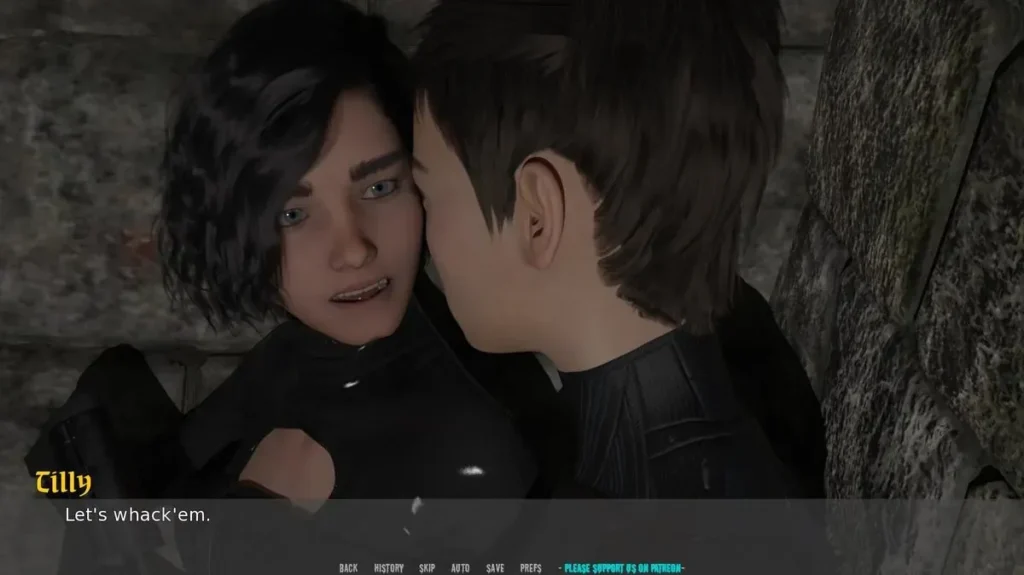
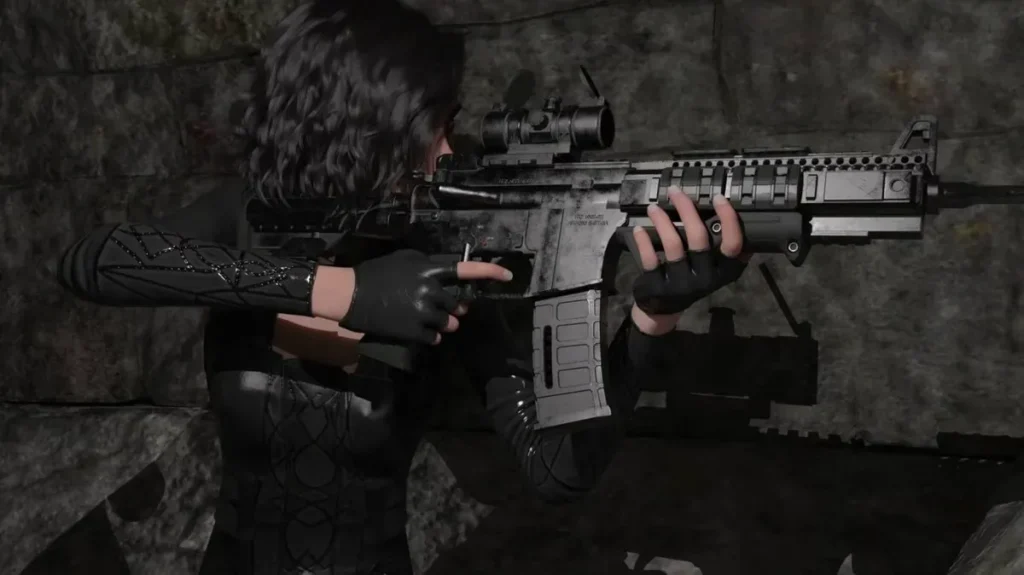
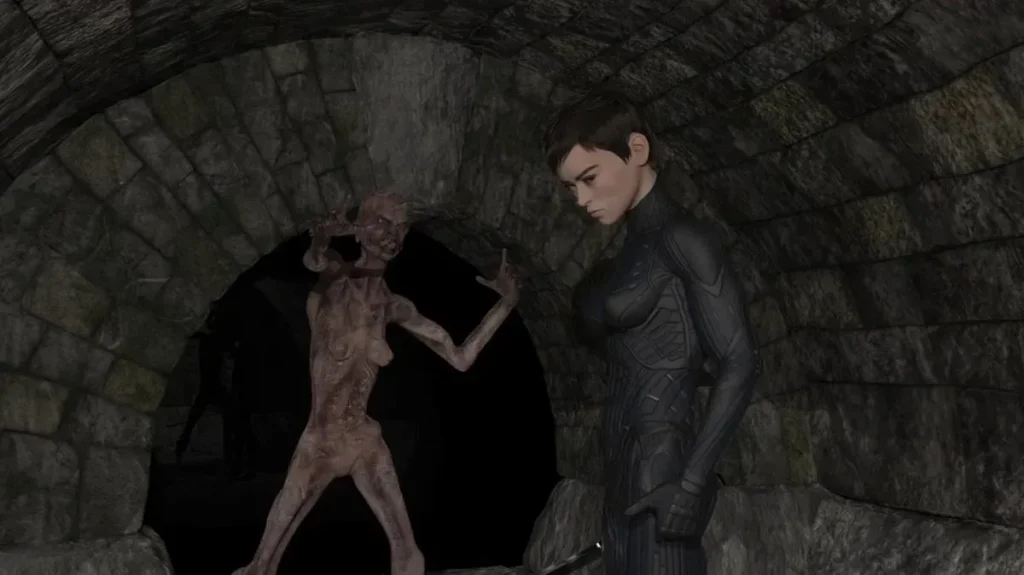
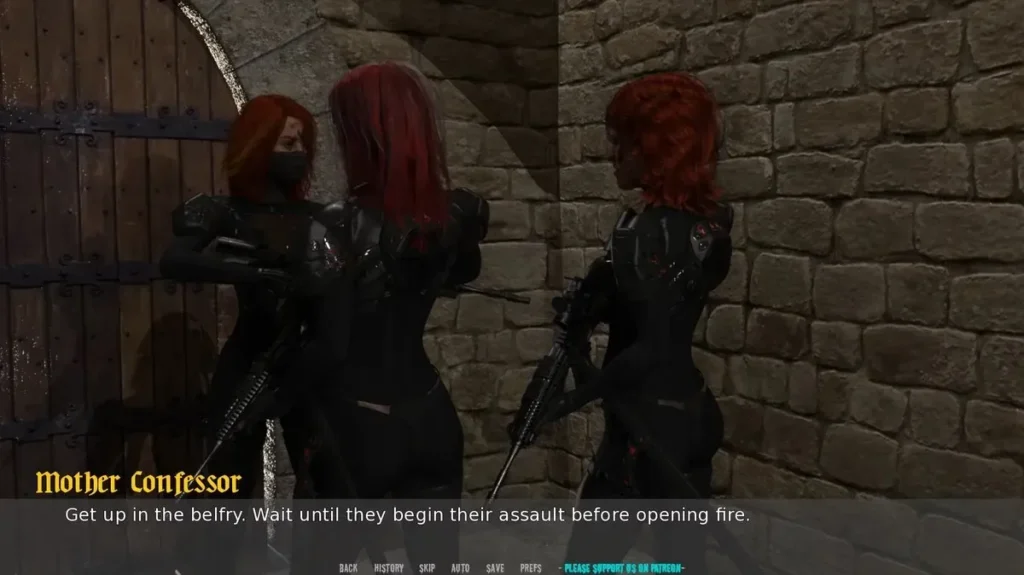
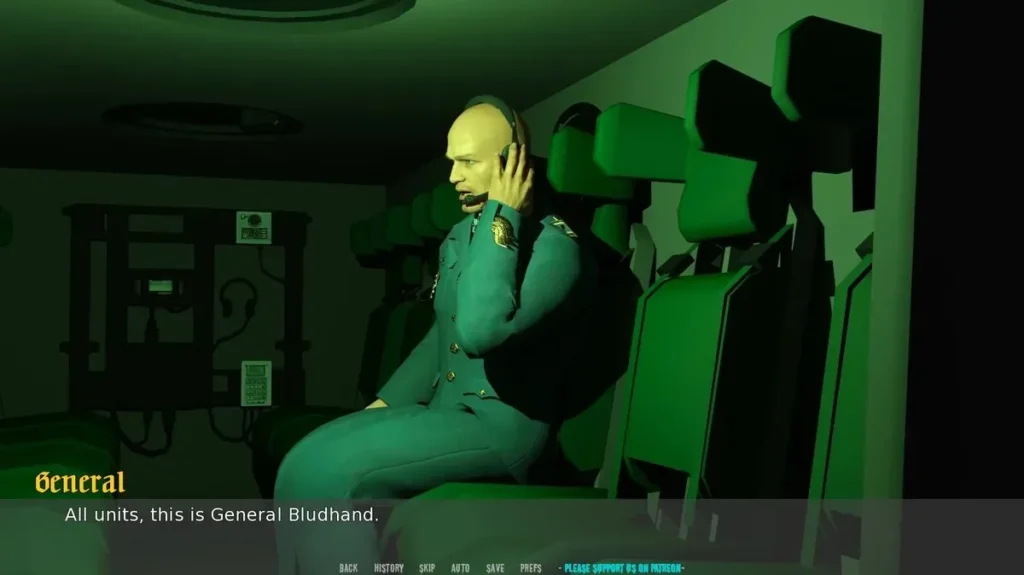
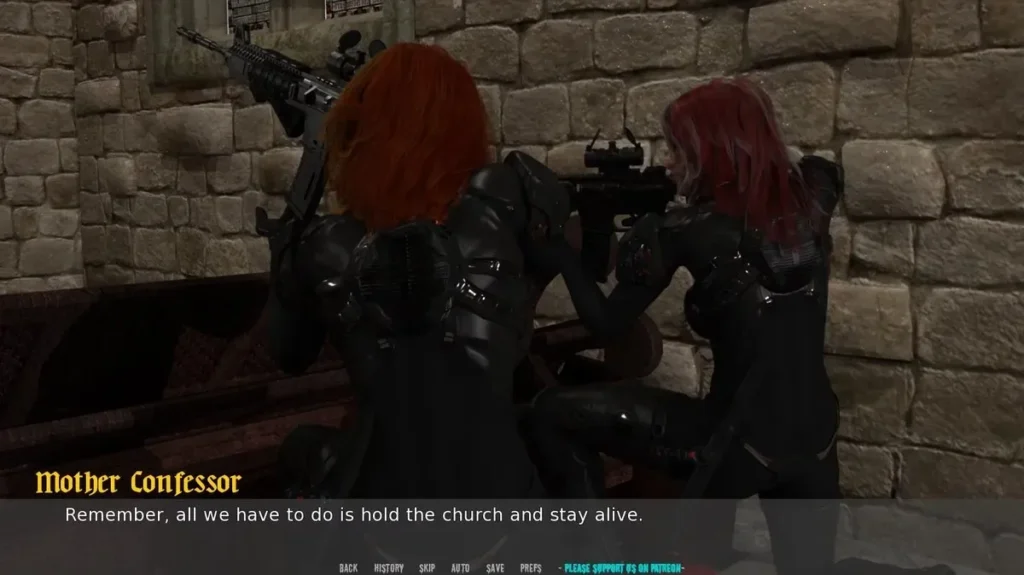
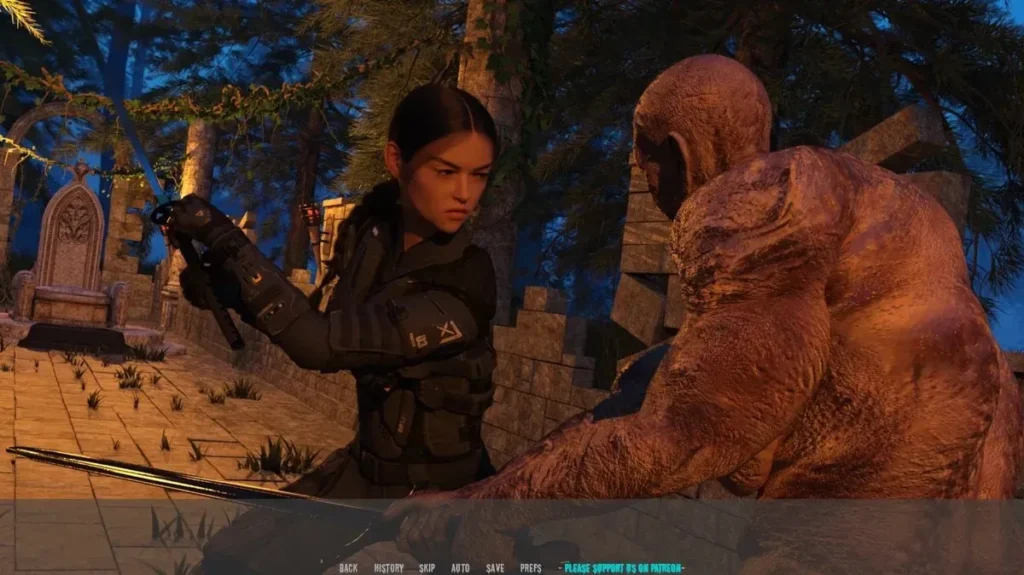
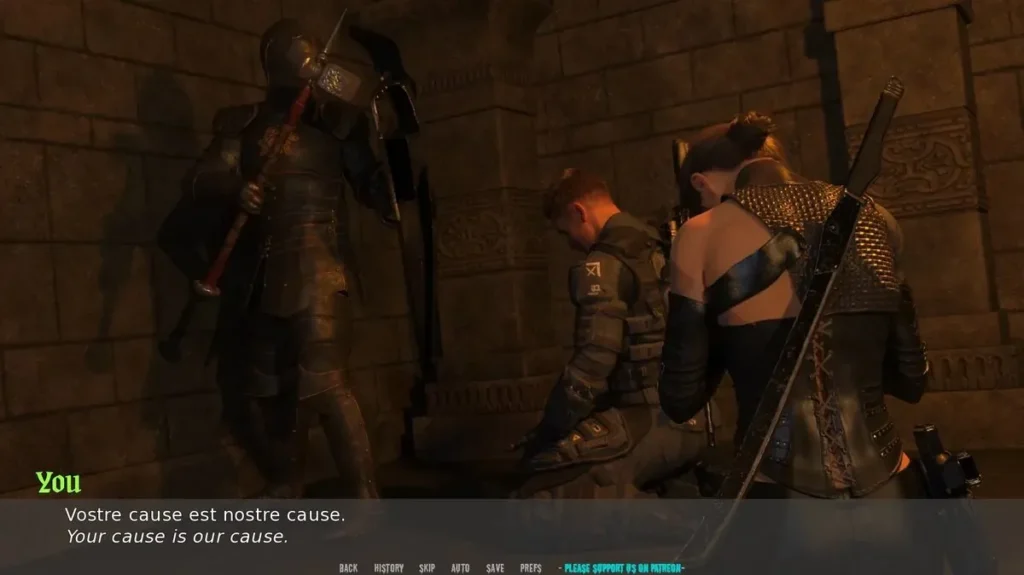
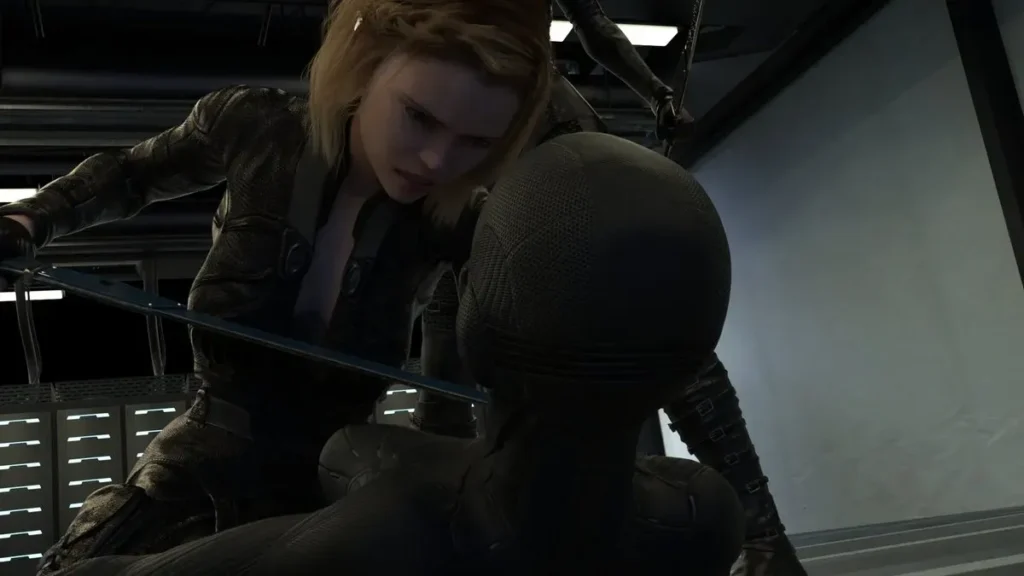
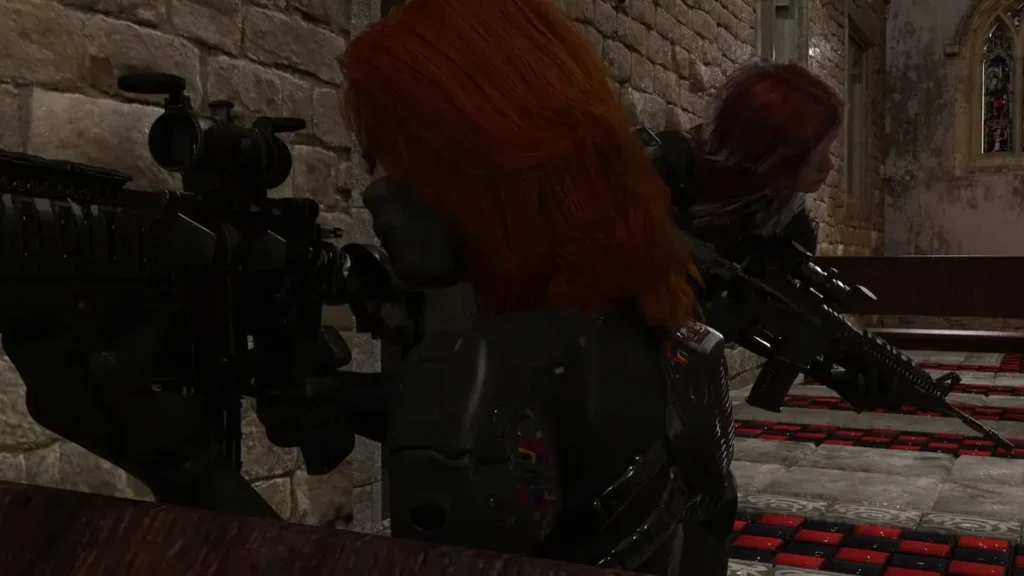
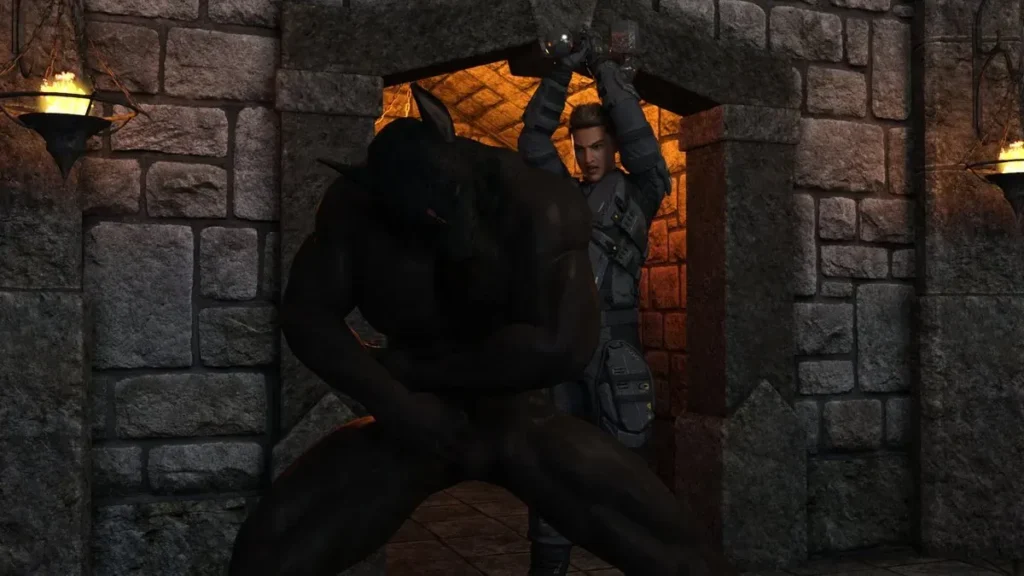
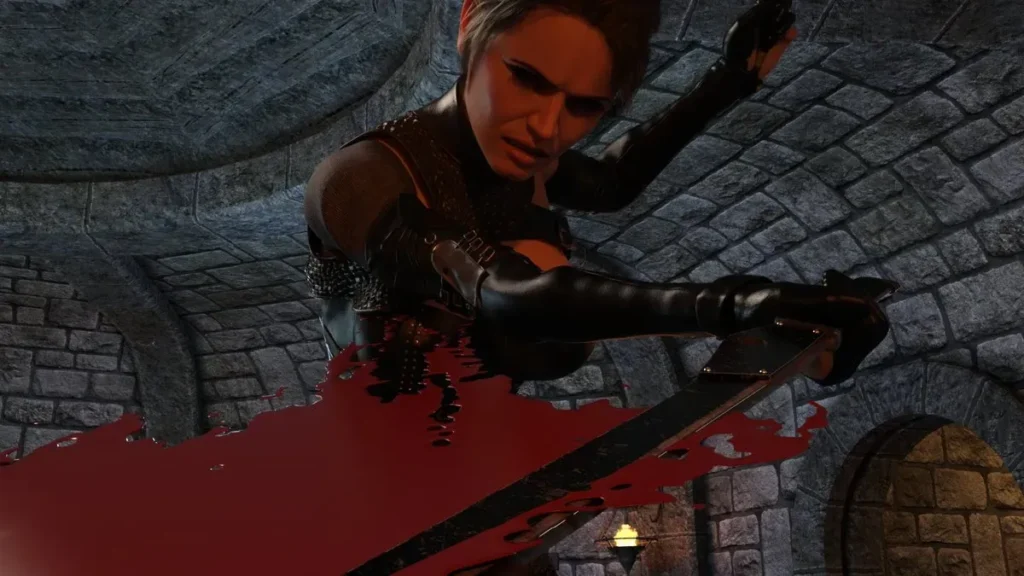
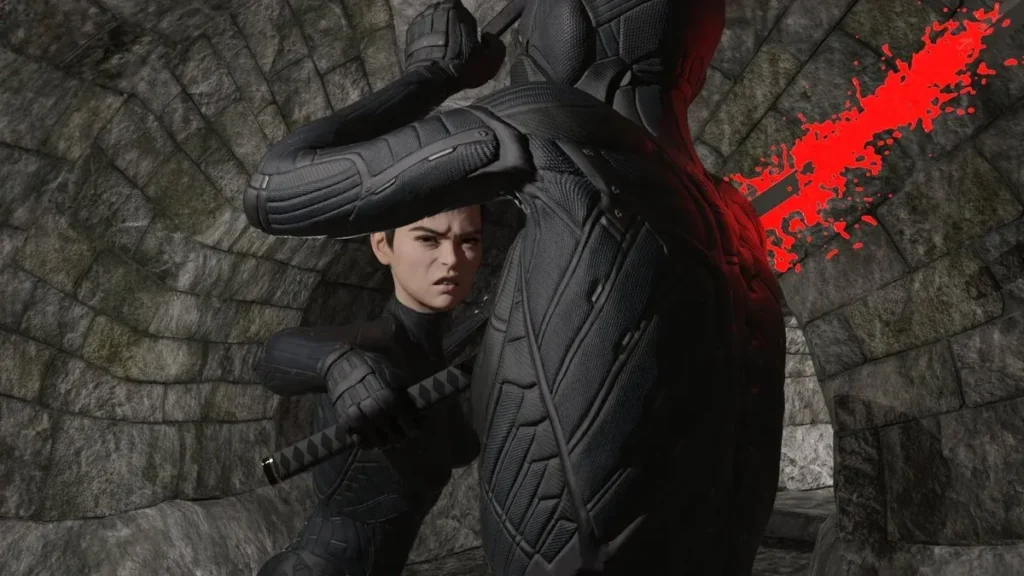
A Father’s Sins review
Explore the dark narrative, gameplay mechanics, and immersive storytelling of this mature visual novel experience
A Father’s Sins stands out as a narrative-driven visual novel that combines dark storytelling with mature themes and complex character development. This game has garnered significant attention for its intricate plot involving ancient evil, church conspiracies, and magical awakening within a city setting. With over 12 hours of gameplay, thousands of still scenes, and hundreds of animations, it offers an expansive experience that appeals to players seeking deep, character-driven narratives. Whether you’re interested in understanding the game’s storyline, exploring its features, or learning about the gameplay experience, this comprehensive guide covers everything you need to know about A Father’s Sins.
Understanding A Father’s Sins: Plot, Setting & Core Narrative
Let’s be honest—when you first hear about a game like A Father’s Sins, it’s easy to make assumptions. “Oh, another adult game,” you might think, and move on. I almost did. But then a friend, whose taste in stories I deeply trust, told me to look past the surface. “Just try it,” he said. “The story will grab you in the first hour.” So, I did. And he was right. I wasn’t just playing a game; I was unraveling a meticulously crafted dark fantasy narrative that felt more like a gripping graphic novel where my choices actually mattered.
This is the heart of A Father’s Sins: a visual novel narrative that uses its format not as a limitation, but as a superpower. With over 12,000 still scenes, it builds a world that is hauntingly atmospheric, where every glance, every shadow, and every character expression is curated to pull you deeper into its mystery. Forget what you think you know about the genre. This is a mature, complex tale of ancient evil storyline and hidden church conspiracy game mechanics, wrapped in a package that demands your attention and your moral reasoning.
The Central Story: Ancient Evil and Church Conspiracy
The A Father’s Sins plot doesn’t waste time. You are thrust into a city that feels familiar yet eerily wrong—a place where modernity clashes with gothic architecture and a deep, pervasive sense of dread. The premise is deceptively simple: an ancient, malevolent force is stirring once more, and it’s tied to a series of gruesome murders that the authorities can’t (or won’t) solve. This isn’t just a monster lurking in the dark; it’s a corruption that has woven itself into the very fabric of society, and most shockingly, into the halls of the very institution meant to protect the soul: the church.
This is where the game truly shines as a church conspiracy game. The local parish isn’t a safe haven; it’s a nest of secrets, power struggles, and hidden agendas. As you dig deeper, you realize the conspiracy isn’t a new plot—it’s ages old. The church has been fighting a silent war against this ancient evil storyline for centuries, and that war has left scars, compromises, and a trail of buried sins. Playing through this felt less like solving a puzzle and more like peeling back layers of a rotten onion, each revelation more disturbing than the last. You’re not just fighting monsters; you’re untangling a web of lies where the line between holy protector and guilty perpetrator is terrifyingly thin.
The magic system is the catalyst for everything. It’s not a common, flashy force. It’s a forgotten, almost parasitic energy that is re-awakening in the city, and its return is what kickstarts the murders and the unfolding chaos. This magical resurgence is brilliantly tied to the dark fantasy narrative, driving the plot forward with a sense of inevitable doom. You learn that magic demands a price, often a corrupting one, making every magical act or discovery a potential moral compromise.
Character Development and Protagonist Journey
What grounds this epic, dark tale are the A Father’s Sins characters. You don’t start as a chosen hero or a seasoned warrior. You begin as an average person, someone caught in the wrong place at the wrong time, whose life is irrevocably shattered by the emerging darkness. This relatability is key. Your fear, confusion, and desperation feel real because they are real for your character.
Your journey from this terrified everyman to a Holy Crusader is the emotional core of the game. It’s not a montage; it’s a painful, gritty process of training, failure, and hard-won trust. This transformation is facilitated by the game’s most intriguing allies: the warrior nuns. These aren’t stereotypical caricatures; they are complex, hardened women who are the church’s secret sword against the darkness. Forming bonds with them—whether professional, fraught with tension, or something deeper—is crucial to your survival and growth. Each relationship you build changes how you view the conflict and opens up different facets of the story.
My Personal Insight: In my first playthrough, I was cautious and mistrustful of everyone, including the nuns. This led to a lonely, difficult path where I missed crucial clues and alliances. In my second, I chose to be openly vulnerable with one of the key sisters, Sister Catherine. This didn’t just unlock a romantic subplot; it fundamentally altered the middle acts of the story, giving me access to secret church archives and a very different perspective on the conspiracy. The game rewards emotional investment as much as tactical thinking.
This brings us to the masterstroke of its interactive story game design: your choices carve unique narrative paths. The game is packed with “what-if” scenarios that aren’t just about good or evil endings. They are about your version of the truth, your alliances, and your personal cost in the fight.
-
Example: A Narrative Fork in the Road
In Chapter 4, you discover a high-ranking church official is secretly colluding with the cult. You have proof. Do you:- Confront him publicly in the cathedral, hoping to expose the corruption from within? This path paints a target on your back with the church hierarchy but earns you the fierce loyalty of the lower-ranking sisters who crave reform.
- Take the evidence to the Mother Superior privately, playing the political game? This keeps you safe in the short term but allows the conspiracy to adapt and cover its tracks, making your investigation harder later.
- Use the evidence to blackmail him into becoming a double agent? This morally grey choice gives you powerful insider information but slowly corrupts your own character, unlocking unique, darker dialogue options and potentially altering your magical abilities.
I tried all three. The public confrontation led to an intense, action-packed sequence where I had to defend myself from “official” church enforcers. The private route became a tense thriller of espionage within holy walls. The blackmail path was the most narratively complex, making me complicit and forcing me to make increasingly dubious deals. This is the genius of A Father’s Sins plot—it understands that drama comes from difficult decisions with real consequences.
World-Building: Magic, Mystery, and Dark Themes
Beyond the immediate plot and characters, the game constructs a world that feels lived-in and historically heavy. The dark fantasy narrative is supported by a well-developed mythology that goes far beyond simple lore dumps. You’ll find yourself reading in-game texts, deciphering old sermons, and piecing together historical events that explain why the evil is returning now and how the church’s past failures led to the present crisis. It’s a world where faith, magic, and human frailty have been on a collision course for millennia.
The themes here are unflinchingly mature. Lust and corruption aren’t just titillating elements; they are presented as two sides of the same coin—powerful, primal forces that can be directed, repressed, or exploited, often with tragic results. Religion is examined not as a simple force for good or evil, but as a framework of power, comfort, and control that can be both a shield against darkness and a vessel for it. This moral complexity is what elevates the story. You are constantly asked: What sin is acceptable to prevent a greater evil? Is purity of action possible in an inherently corrupted world?
The visual novel format is essential to selling this atmosphere. Those 12,000+ scenes mean every location is dripping with mood. A rain-slicked alley feels claustrophobic and dangerous. The silent, vaulted ceilings of the cathedral feel both awe-inspiring and oppressive. The character art is expressive, conveying a huge range of emotion—from steely resolve to gut-wrenching fear—that pure prose or standard game animation might struggle to match. It’s a visual novel narrative that is fully confident in its chosen medium, using it to create a pace that allows for deep immersion and tension.
To help visualize how these narrative threads and choices intertwine, here’s a breakdown of a key story arc:
| Story Arc | Core Conflict | Primary Player Choices | Potential Narrative Outcomes |
|---|---|---|---|
| The Initiate’s Trial | Proving your worth to the warrior nuns & uncovering the first cult cell. | Aggression vs. Stealth, Trust vs. Skepticism, Mercy vs. Execution. | Earn respect as a soldier or a strategist; gain a loyal ally or create a vengeful enemy; the cult’s response becomes overt or remains hidden. |
| The Cardinal’s Secret | Investigating high-level church corruption and the historical pact. | Confront, Report, or Blackmail the corrupt official. | Open schism in the church, become a political pawn, or walk a morally grey path with unique info & corruption mechanics. |
| The Ancient’s Awakening | Confronting the source of the ancient evil and deciding its fate. | Destroy, Contain, or Bargain with the ancient force. | Pure victory with future consequences, an eternal watch, or a powerful but perilous alliance that reshapes the city’s future. |
In the end, A Father’s Sins is more than the sum of its parts. It’s a testament to how powerful an interactive story game can be when it commits to its vision. It asks hard questions, presents morally ambiguous choices, and builds a world that stays with you long after you close the game. It proves that a story dealing with mature themes can have depth, sophistication, and a crushing sense of gravity. If you’re looking for a narrative that challenges you, respects your intelligence, and immerses you in a beautifully bleak world, then this is a journey worth taking. Just be prepared for the choices you’ll have to live with.
A Father’s Sins represents a significant entry in narrative-focused visual novels, distinguishing itself through ambitious storytelling, extensive gameplay content, and purposeful integration of mature themes. The game’s combination of dark fantasy elements, complex character development, and player-driven narrative choices creates an engaging experience that extends well beyond typical genre conventions. With its substantial playtime, high-quality visual presentation, and ongoing development through regular updates, the game continues to evolve based on community feedback. Whether you’re drawn to supernatural narratives, character-driven stories, or immersive visual novel experiences, A Father’s Sins offers a comprehensive gaming experience that prioritizes narrative depth and player agency. The availability across multiple platforms ensures accessibility for interested players, while the companion game provides additional narrative exploration for those seeking extended content.